



Last Updated on March 20, 2026
How to Choose the Best Winter Tire Brands for Your Vehicle in 2026
Winter tires have come a long way, with manufacturers continuously developing new designs, improvements, advanced rubber compounds, and improved construction methods each new season. The relentless pursuit of perfection has resulted in better-performing winter tires year after year, making them outperform competitors.
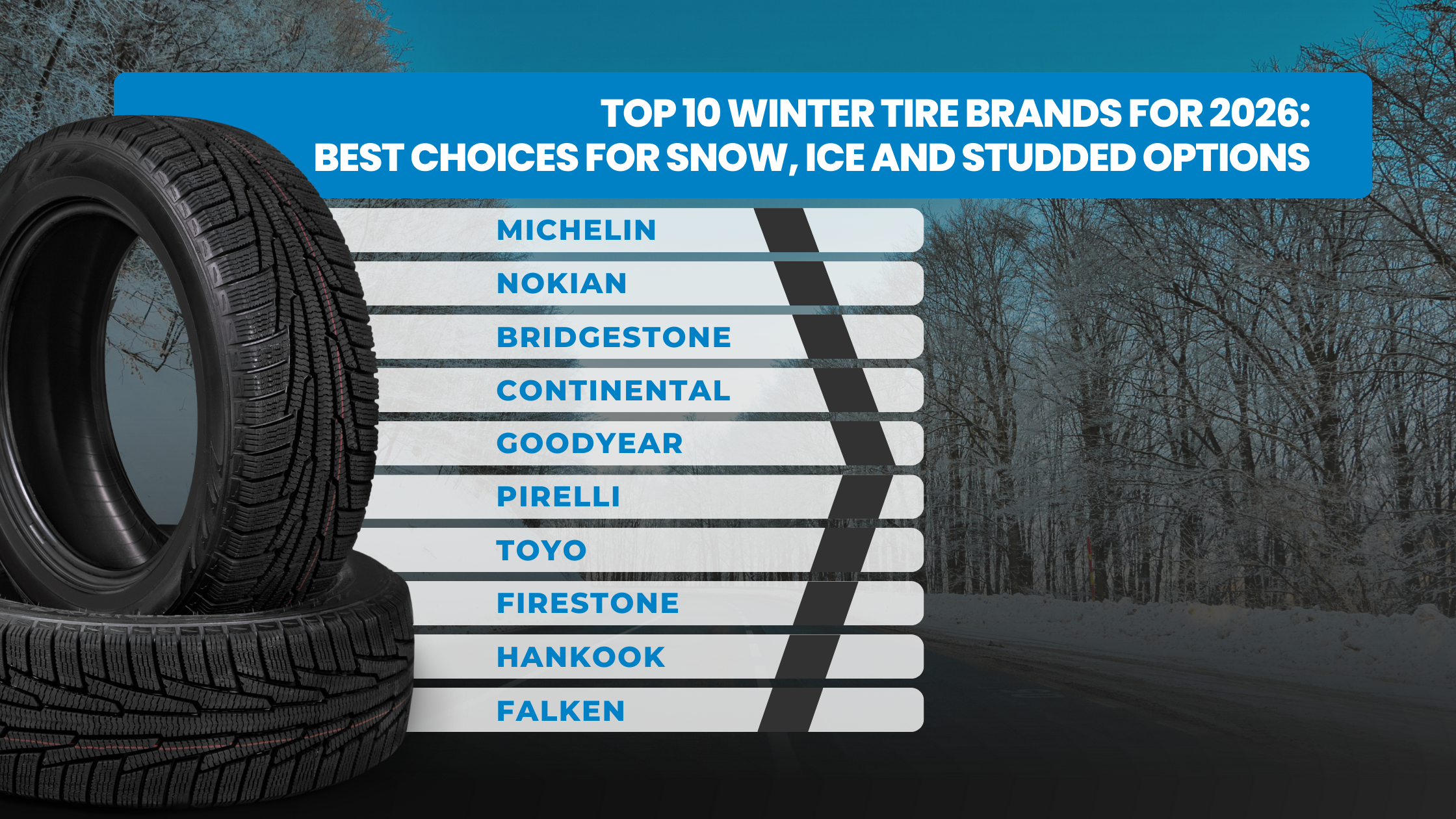
With that in mind, if you’re looking for the best winter tires for snow and ice in 2026, this guide compares top winter tire brands like Michelin, Bridgestone, Continental, and more. And highlights their best models for snow, ice, and studded options. We’ll cover each tire’s features, specifications, and prices to help you make an informed choice for the season.
Comprehensive List of the Best Winter Tire Brands for 2026
- Michelin X-Ice Snow: Premium performance on ice and snow
- Nokian Hakkapeliitta 10: Leading studded tire technology
- Bridgestone Blizzak WS90: Excellent traction on ice and packed snow
- Continental VikingContact 7: Reliable non-studded winter option
- Goodyear WinterCommand Ultra: Versatile with studded and non-studded versions
- Pirelli Winter Sottozero 3: High-performance winter tire for sports cars
- Toyo Observe GSi-6: Balanced performance and durability
- Firestone Winterforce 2: Affordable option with solid snow grip
- Hankook Winter i*cept IZ2: Strong ice traction for sedans and SUVs
- Falken Winterpeak F-Ice 1: Stable, studless winter choice for cold weather
Top-Rated Winter Tires for 2026: Best Models by Brand
1) Michelin X-Ice Snow – Best Tire for Ice Grip
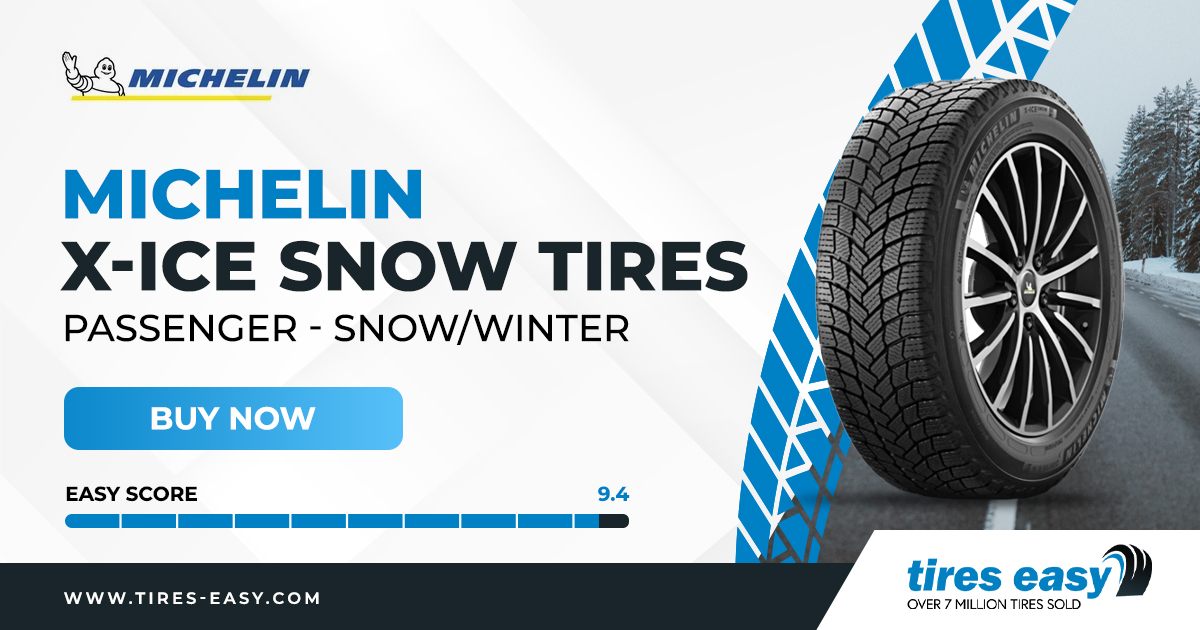
Michelin is renowned for producing high-quality tires, and the X-Ice Snow stands out as one of the best winter tires on the market for 2026. This model is designed for snow and ice. It offers excellent grip and control in freezing conditions.
Features:
- 3-Peak Mountain Snowflake rating for severe snow performance
- Flex-Ice 2.0 compound for better ice traction
- Micro-pumps in the tread to expel water and improve braking
- Low rolling resistance for fuel efficiency
Specifications:
- Available Sizes: 14″ to 21″
- Tread Depth: 10/32″ to 12/32″
- Load Capacity: 1,400 to 2,200 lbs
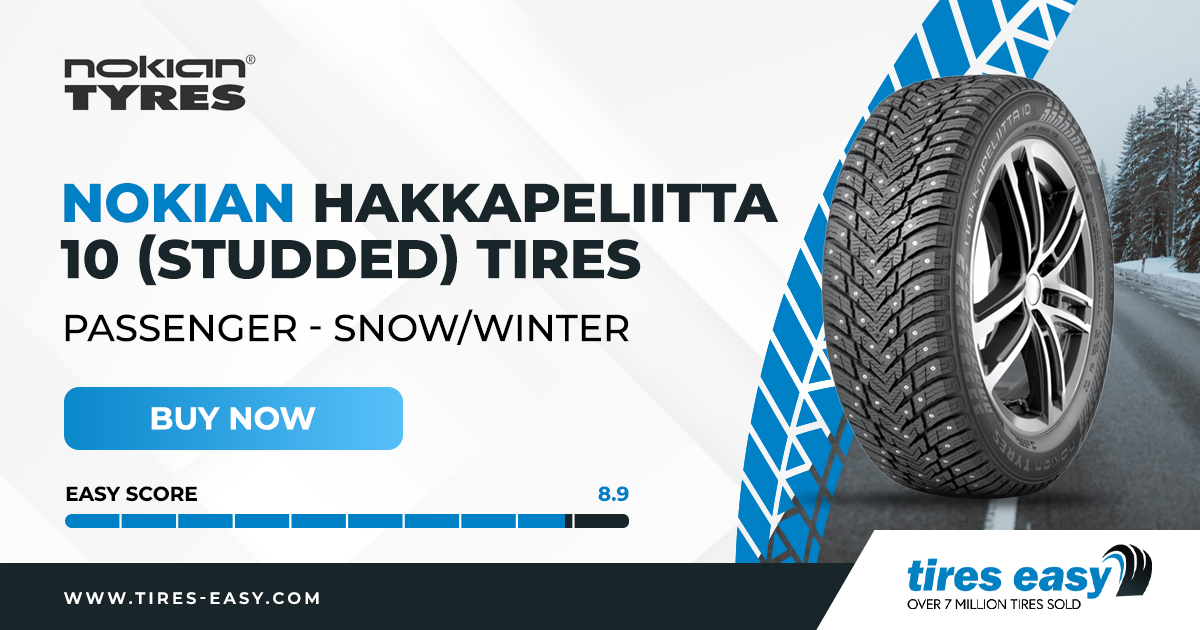
2) Nokian Hakkapeliitta 10 – Studded Option for Extreme Winter
Nokian is a well-respected winter tire brand, especially known for its studded tire options. The Hakkapeliitta 10 is engineered for extreme winter conditions, providing unrivaled ice and snow performance.
Features:
- Dual-stud Technology for superior ice grip
- Arctic Grip Crystals embedded in the tread for extra traction
- Environmentally friendly materials
- SilentDrive Technology for quieter performance
Specifications:
- Available Sizes: 16″ to 21″
- Tread Depth: 11/32″ to 13/32″
- Load Capacity: 1,500 to 2,400 lbs
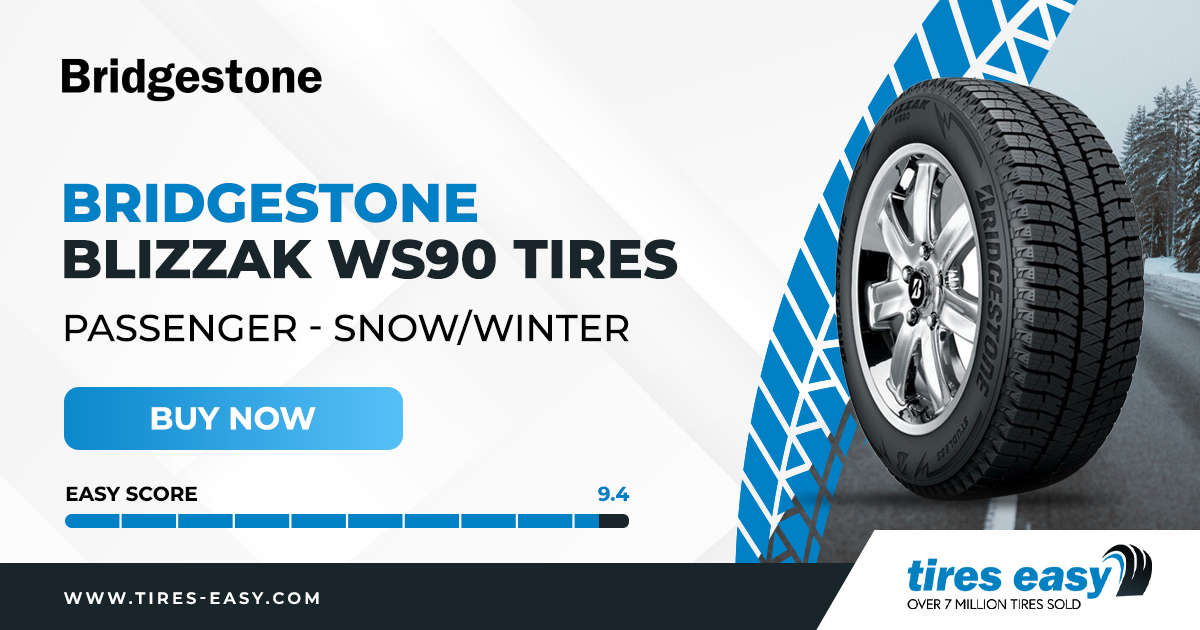
3) Bridgestone Blizzak WS90 – Top Pick for Snow Traction
The Bridgestone Blizzak WS90 is an all-star for winter driving. It is known for its superb traction on ice and packed snow. It is one of the best options for those seeking excellent grip without opting for studded tires.
Features:
- Multi-cell compound for improved ice performance
- Zigzag sipes for better snow traction
- EdgePerformance Technology for longer wear life
- 3-Peak Mountain Snowflake rating
Specifications:
- Available Sizes: 14″ to 19″
- Tread Depth: 11/32″
- Load Capacity: 1,300 to 2,000 lbs
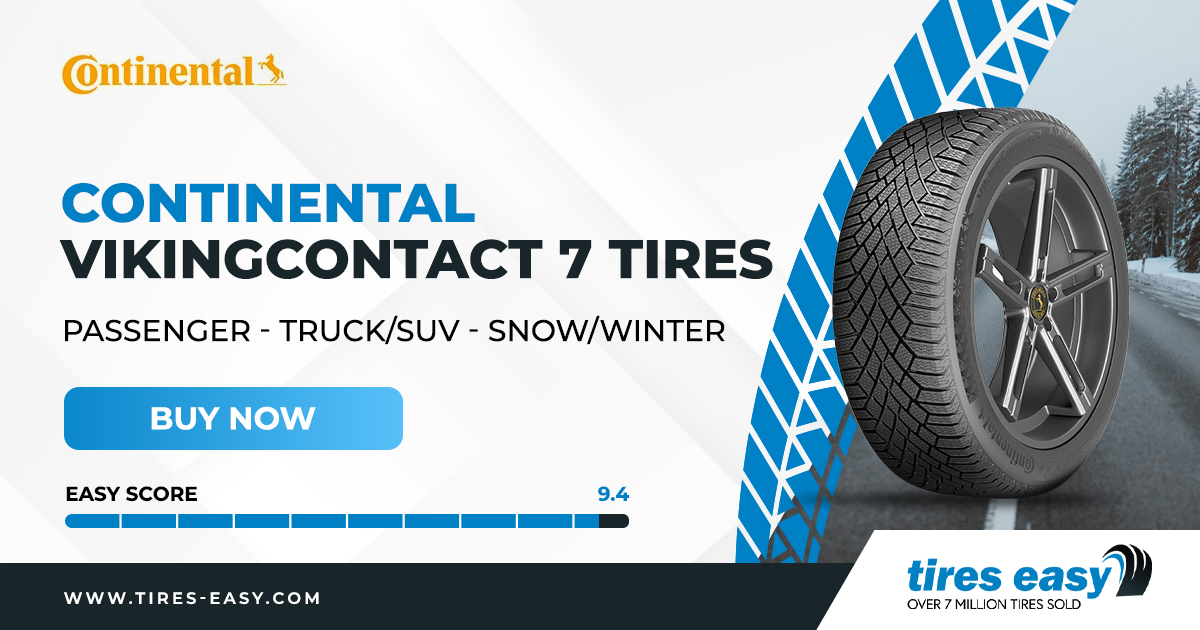
4) Continental VikingContact 7 – Premium Cold Weather Tire
The Continental VikingContact 7 is a premium, non-studded winter tire that excels in icy and snowy conditions. Its advanced technology ensures maximum safety and stability, even in extreme cold, providing you with a sense of security on the road.
Features:
- Nordic Silica Compound for enhanced ice and snow grip
- 3D sipes for optimal traction
- Excellent wet and dry braking performance
- Eco-friendly materials
Specifications:
- Available Sizes: 15″ to 19″
- Tread Depth: 10/32″ to 12/32″
- Load Capacity: 1,200 to 2,300 lbs
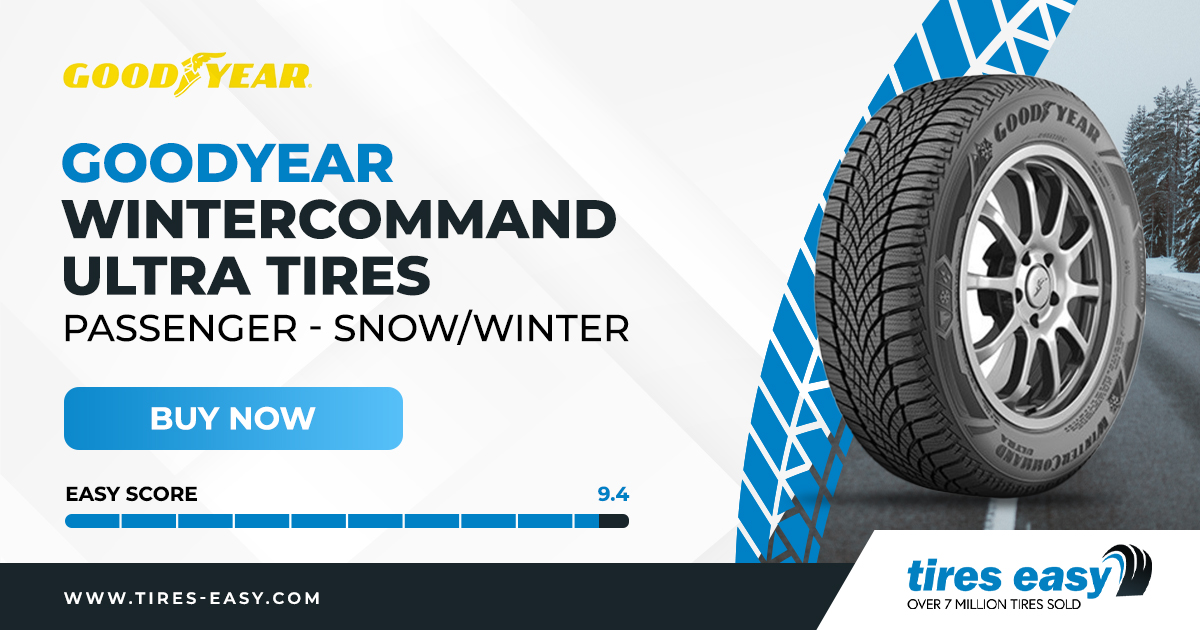
5) Goodyear WinterCommand Ultra – Versatile Snow & Ice Choice
Goodyear’s WinterCommand Ultra is a versatile winter tire with superior ice and snow performance. It’s available in studded and non-studded versions, making it adaptable to various winter driving conditions and giving you the confidence to handle any situation.
Features:
- ActiveGrip Technology for superior handling on ice
- PolarPlus Compound for enhanced snow traction
- V-Tread design for improved water evacuation
- Studdable option for extreme conditions
Specifications:
- Available Sizes: 15″ to 20″
- Tread Depth: 10/32″
- Load Capacity: 1,300 to 2,200 lbs
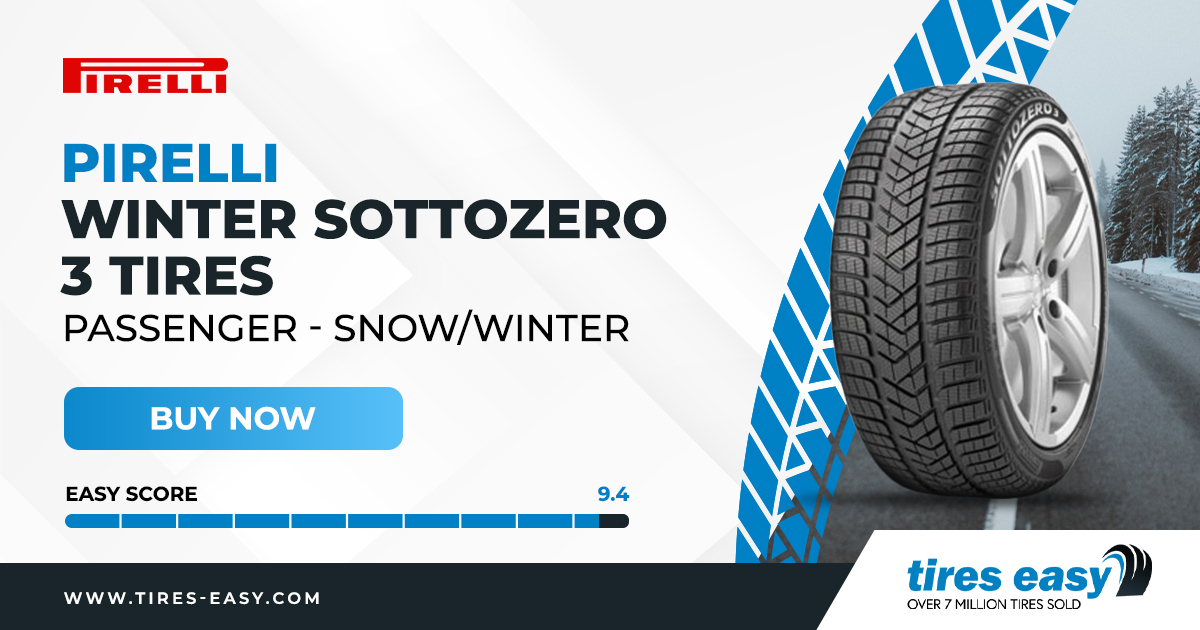
6) Pirelli Winter Sottozero 3 – Performance Tire for Winter Roads
Pirelli is a name associated with performance, and the Winter Sottozero 3 delivers on that reputation. It is designed specifically for high-performance vehicles that need reliable winter traction without sacrificing speed.
Features:
- 3D sipe technology for enhanced traction
- Optimized footprint for even wear and longer life
- Silica-enhanced tread for better wet and icy performance
- High-speed rating for sports cars
Specifications:
- Available Sizes: 16″ to 21″
- Tread Depth: 10/32″ to 11/32″
- Load Capacity: 1,400 to 2,300 lbs
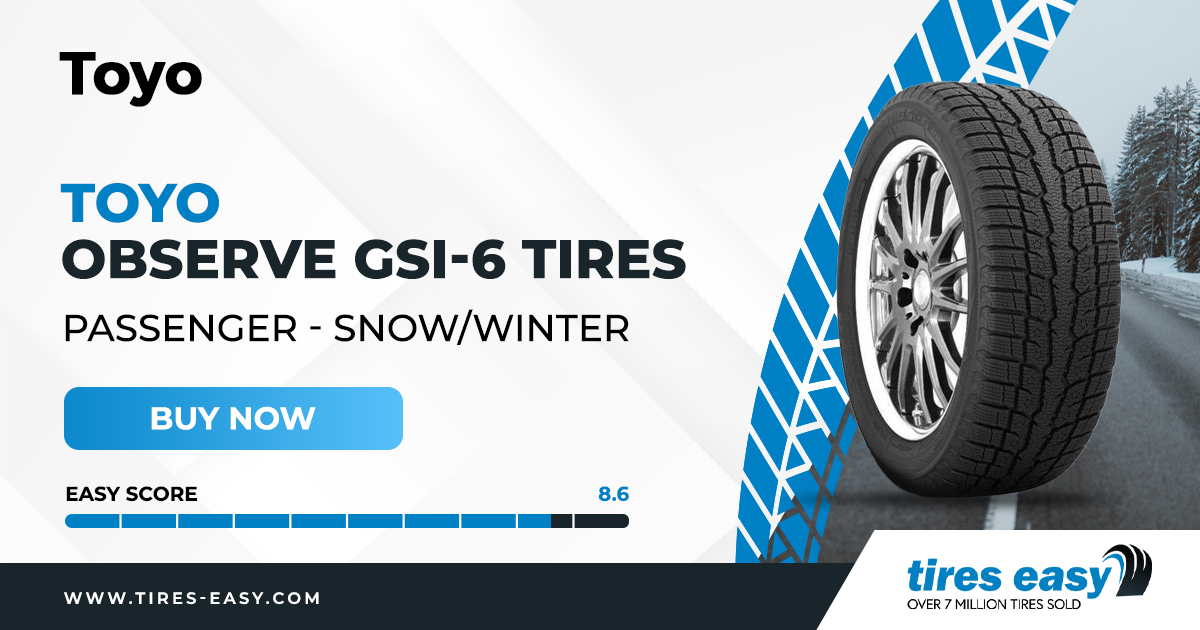
7) Toyo Observe GSi-6 – Reliable All-Condition Winter Option
The Toyo Observe GSi-6 is an excellent winter tire for all conditions, including ice and snow. It offers a great balance between price, performance, and durability.
Features:
- Microbit technology for improved ice traction
- Saw-tooth block edges for better snow grip
- Tapered evacuation channels for improved water and slush dispersal
- Low rolling resistance for better fuel efficiency
Specifications:
- Available Sizes: 15″ to 22″
- Tread Depth: 10/32″ to 12/32″
- Load Capacity: 1,300 to 2,200 lbs
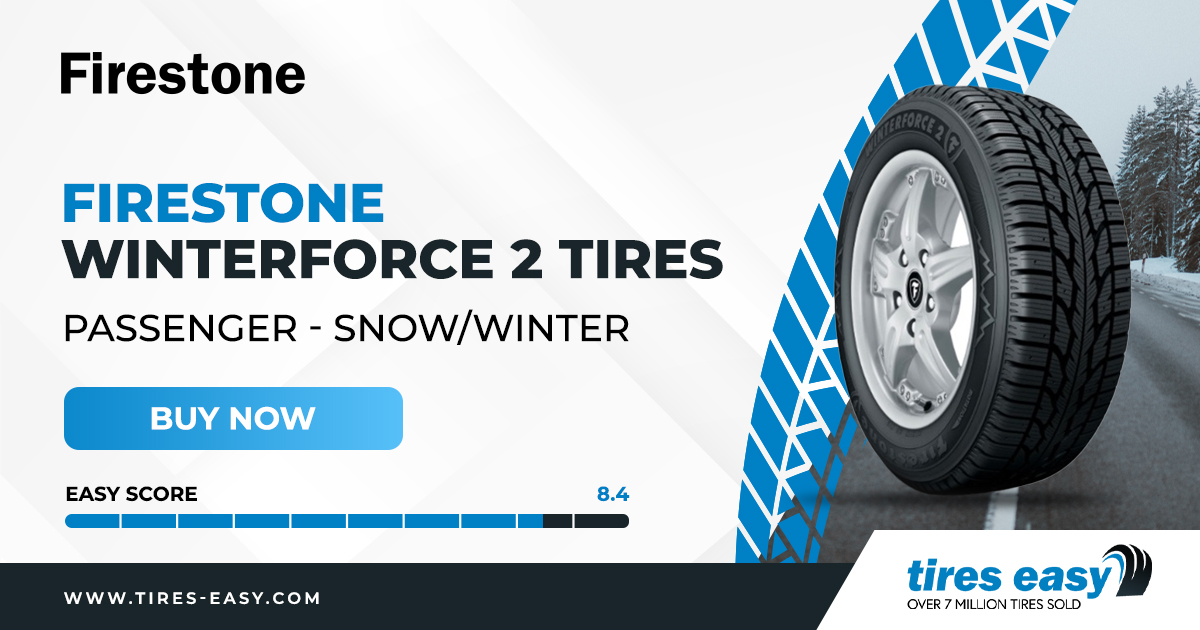
8) Firestone Winterforce 2 – Affordable Snow Tire
Firestone’s Winterforce 2 is a budget-friendly option that doesn’t compromise performance. It’s designed to provide reliable snow and ice traction at an affordable price, giving you peace of mind about your winter driving expenses.
Features:
- Directional tread design for better snow and water evacuation
- 3-Peak Mountain Snowflake rating
- Studdable for extra ice performance
- Enhanced block stiffness for improved handling
Specifications:
- Available Sizes: 14″ to 19″
- Tread Depth: 11/32″
- Load Capacity: 1,300 to 2,100 lbs
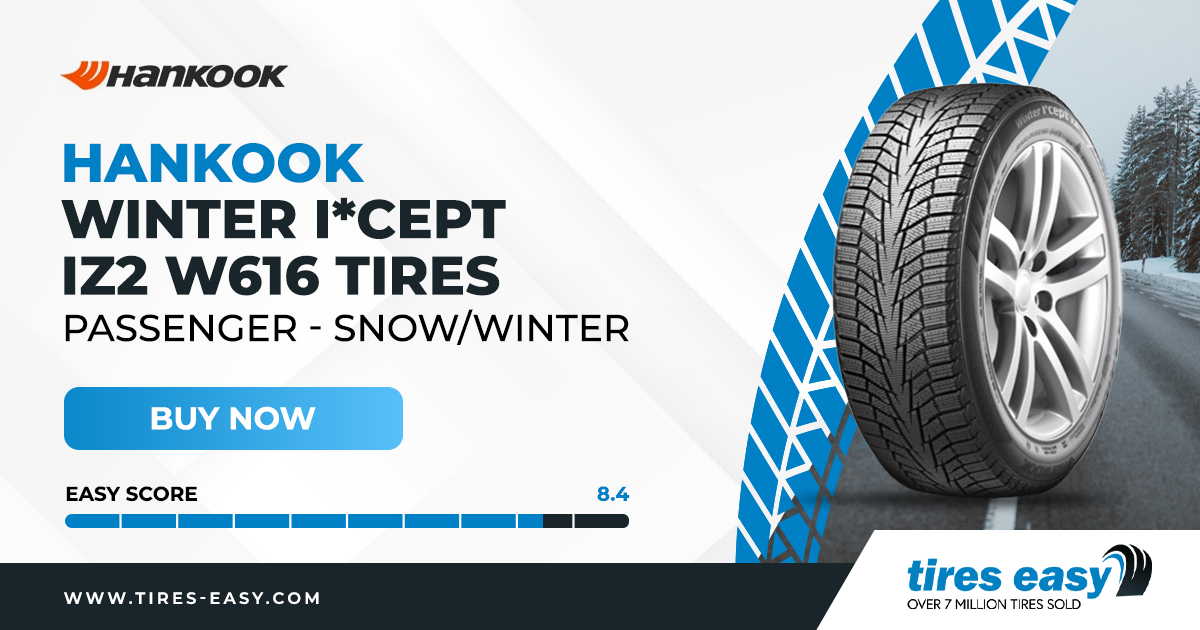
9) Hankook Winter i*cept IZ2 – Durable Cold Weather Choice
The Hankook Winter i*cept IZ2 is a solid choice for icy conditions. It delivers great winter performance with excellent durability. It offers a balance of safety, comfort, and performance, ideal for sedans and SUVs.
Features:
- High-density 3D sipes for enhanced grip on snow
- Wide block edges for improved stability
- Optimized tread pattern for water and slush dispersal
- Low noise emission
Specifications:
- Available Sizes: 14″ to 20″
- Tread Depth: 10/32″ to 12/32″
- Load Capacity: 1,300 to 2,300 lbs
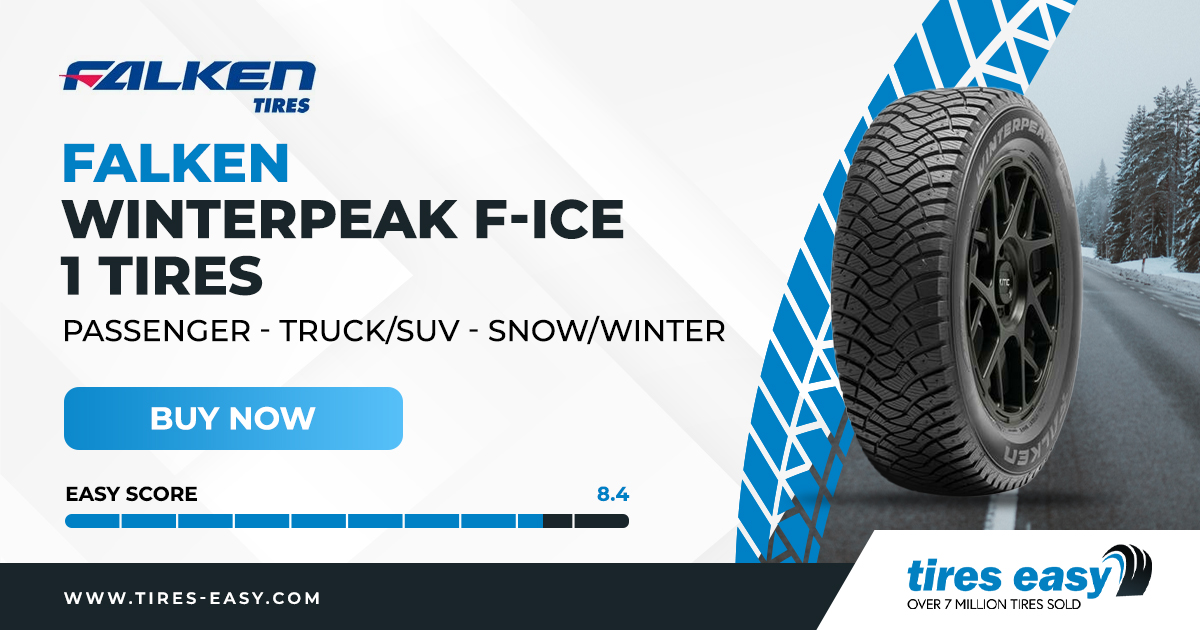
10) Falken Winterpeak F-Ice 1 – Studless Tire for Winter Driving
Falken’s Winterpeak F-Ice 1 is designed for icy conditions, offering a studless option with excellent cold-weather performance. It delivers stability, grip, and safety across various winter driving conditions.
Features:
- High-silica compound for better ice performance
- Multi-directional sipes for improved traction on snow
- Optimized tread design for hydroplaning resistance
- Suitable for both SUVs and passenger cars
Specifications:
- Available Sizes: 15″ to 20″
- Tread Depth: 10/32″ to 11/32″
- Load Capacity: 1,300 to 2,200 lbs
Making Your Final Choice
Choosing the best winter tire for your vehicle in 2026 depends on your driving habits, local climate, and road conditions. While premium brands may cost more, the most expensive option is not always the right fit. What matters most is selecting a tire with the right snow traction, ice performance, and durability for your needs.
From studded tires for maximum grip on icy roads to non-studded options for a smoother, quieter ride, the models listed above are among the top-rated winter tires for safety and performance this season.
👉 Ready to drive with confidence this winter? Shop the best winter tires at Tires-Easy today and get the perfect fit delivered to your door.
FAQs:
What are the best winter tires for SUVs in 2026?
The best winter tires for SUVs in 2026 combine deep tread designs, advanced rubber compounds, and high load capacity for heavy vehicles. Top-rated options include the Michelin X-Ice Snow SUV, Bridgestone Blizzak WS90, and Continental VikingContact 7. These tires provide superior traction on snow, slush, and icy roads, ensuring stability for larger vehicles. If you drive in extreme conditions, the Nokian Hakkapeliitta 10 SUV with studded technology is a leading choice.
Are studded tires better than non-studded for ice?
Studded tires are generally better for driving on solid ice and extreme winter roads because the metal studs bite into frozen surfaces, giving maximum grip. However, non-studded winter tires (like the Bridgestone Blizzak WS90) use advanced compounds and micro-sipes to perform almost as well on ice while being quieter and road-legal in more areas. If you drive on icy rural roads often, studded is the safer option. For mixed city and highway driving, non-studded tires provide the best balance of comfort, safety, and performance.
How long do winter tires last?
On average, winter tires last between 3 to 5 winter seasons (about 20,000-30,000 miles) depending on driving habits, road conditions, and tire quality. Premium models like Michelin X-Ice Snow or Goodyear WinterCommand Ultra often deliver longer tread life thanks to durable rubber compounds. To extend tire life, always rotate your set, check tread depth regularly, and store them properly in the off-season.
When should you put winter tires on?
The best time to install winter tires is when temperatures consistently drop below 45°F (7°C). At this point, all-season or summer tires harden and lose grip, while winter tires remain flexible and safe. In northern states, this is usually late October to early November, while in milder regions it may be later. Don’t wait until the first snowstorm; switching early ensures maximum safety.
Are Winter Tires Worth the Cost?
Yes, winter tires are worth the cost if you regularly drive in areas with snow, ice, or freezing temperatures. They provide shorter braking distances, better traction, and improved safety compared to all-season tires. While the upfront investment is higher, winter tires can actually save money by reducing accident risk and extending the life of your all-season set (since you rotate them seasonally). For drivers in regions with harsh winters, they are a cost-effective and safety-first choice.