



Last Updated on September 11, 2026
Can All Weather Tires Replace a Dedicated Winter Set?
For drivers who see slush, cold rain, and a handful of snow days rather than sustained ice, yes. All weather tires carry the Three Peak Mountain Snowflake (3PMSF) symbol, which means the compound is engineered to stay flexible below 45F (7C) and the tire passed a severe snow service test that a standard all season tire cannot pass. One set covers the whole year, with no seasonal swap and no second set of wheels to store. They are still not the equal of a dedicated winter tire on ice or in deep snow, because the 3PMSF test measures acceleration traction on medium packed snow and says nothing about braking or cornering. Winter grip also falls off sharply below 6/32 inch of tread, long before the 2/32 inch legal minimum. Ready to get sorted before the first freeze? Browse our 3PMSF rated passenger snow and winter tires and pick your size.

What the 3PMSF Symbol Certifies, and What It Does Not
The two markings on a sidewall are not equivalent, and the difference decides how much winter capability you are actually buying.
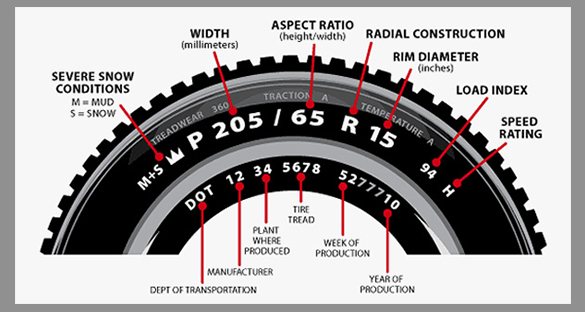
M+S stands for Mud and Snow. It describes tread geometry: the ratio of grooves to contact surface. It is a design designation, not a test result, and a manufacturer applies it based on the shape of the tread. A tire can carry M+S and still harden into something close to a hockey puck once the pavement drops below freezing.
The Three Peak Mountain Snowflake is different. It is earned through a physical severe snow service test administered under standards developed by the U.S. Tire Manufacturers Association. A tire is run on medium packed snow and must reach a minimum acceleration traction index measured against a reference tire. Passing means the tire genuinely moves a vehicle forward on packed snow better than a baseline all season tire does.
The limitation is in what the test leaves out. It does not measure stopping distance. It does not measure cornering grip. It does not test ice at all. So the 3PMSF symbol tells you a tire will get you moving in snow. It does not tell you how well the tire will stop you or hold a line through a curve, which are the two situations where winter driving actually goes wrong.
This is why all weather tires and dedicated winter tires can share the same sidewall symbol and still behave very differently in February.
Sidewall marking comparison
| Marking | How it is earned | Compound behavior below 45F | Realistic winter role |
|---|---|---|---|
| M+S only | Tread geometry, self applied by the manufacturer | Stiffens noticeably, grip drops | Three season tire. Light snow at low speed only |
| 3PMSF on an all weather tire | Physical acceleration test on medium packed snow | Stays pliable by design | Year round set for slush, cold rain and occasional snow |
| 3PMSF on a dedicated winter tire | Same test, plus winter specific compound and siping | Stays pliable and grips ice | Seasonal set for regular ice, deep snow and sustained cold |
Where All Weather Tires Give Up Ground to Winter Tires
Being honest about the trade is more useful than selling the category. A dedicated winter tire still wins in four specific situations:
- Ice. A winter compound and dense siping generate grip on a surface where nothing else works. They are meaningfully better than all season rubber on ice, and meaningfully worse than a winter tire.
- Deep or unplowed snow. Shallower tread voids fill faster. Once the tread packs, the tire is effectively riding on a smooth surface of its own snow.
- Braking distance on packed snow. This is the gap the 3PMSF test does not measure, and it is the one that matters at an intersection.
- Slush at speed. Winter tires evacuate slush more aggressively at highway speed, which reduces the risk of the front tires floating.
The practical rule: if you can reliably choose not to drive on the worst days, all weather tires are enough. If your commute happens regardless of what fell overnight, and the plows do not reach your route early, buy the winter set and store it.

The Rotation Question Most Buyers Miss
This is the detail that separates a good purchase from an irritating one, and almost no buying guide mentions it before you have already paid.
Some of the best known all weather tires use a directional tread: a V shaped pattern designed to pump water and slush out toward the shoulders. It works. It also means the tire can only ever be rotated front to back on the same side of the vehicle. You cannot move a left side tire to the right without dismounting it from the wheel and remounting it reversed.
On a front wheel drive car, that matters more than it sounds. Front tires wear faster and often wear unevenly at the shoulders. With a symmetric tread you can use a cross pattern to even that out. With a directional tread you have exactly one rotation option, and any irregular wear that develops tends to stay where it started.
In long running tire discussions on forums, this comes up repeatedly from experienced owners who deliberately avoid directional all weather tires for exactly this reason, even when they rate the tire highly on performance. It is a maintenance preference, not a performance criticism, and it is worth deciding before you buy rather than after.
Tread pattern and rotation options
| Tread type | How to identify it | Rotation patterns available | Best suited to |
|---|---|---|---|
| Directional | V shaped or arrow pattern, rotation arrow on the sidewall | Front to back on the same side only | Drivers who rotate on schedule and prioritize water and slush evacuation |
| Symmetric | Same pattern across the full tread width | Front to back, cross pattern, and side to side | Drivers who want maximum flexibility to even out irregular wear |
| Asymmetric | Different inner and outer pattern, marked inside and outside | Front to back and cross pattern, orientation preserved | Drivers who want dry handling from the outer shoulder plus wet grip inside |
None of these is wrong. But if you rotate at long intervals, or you are putting tires on a vehicle with known alignment quirks, the symmetric option gives you more ways to recover from uneven wear.

When Premium All Weather Tires Are More Than You Need
The flagship products in this category are excellent, and they are also frequently the wrong purchase. The question is not which tire is best in a test. It is how much capability the vehicle and the driver can actually use.
A flagship set makes sense when the vehicle is worth protecting for several more years, when you drive year round in a region with real winter, and when you will keep the tires long enough to use the tread warranty. A tire that lasts 60,000 miles is only a good value if the vehicle is going to be there for 60,000 miles.
A mid tier all weather tire is usually the better buy on an older vehicle, on a second car, or when annual mileage is low. The performance gap between a mid tier and a flagship all weather tire is real but narrow, and it narrows further at the speeds people actually drive in winter conditions.
The one place not to economize is the bottom of the market. Skipping from a mid tier all weather tire down to the cheapest available all season set typically saves a few hundred dollars and gives up the 3PMSF certification entirely, which is the whole reason to be in this category. In the same forum threads where owners argue that flagship tires are unnecessary on an older car, the same owners consistently advise against dropping to the cheapest tire on the shelf. Losing traction on one winter commute costs more than the difference.
One vehicle factor is often overlooked: older cars without anti lock brakes or traction control depend far more on the tire itself, because there is no electronic system compensating for a loss of grip. On a vehicle like that, the case for spending up on winter capability gets stronger, not weaker, even if the car is old.
How Much Tread Do You Have Left Before Winter?
Before shopping, measure. Tread depth determines whether this is a September purchase or something you can defer.
- 8/32 inch or more: Full winter capability. A new tire is typically 10/32 to 12/32 inch.
- 6/32 inch: Still competent in snow, but the margin is shrinking. Plan the replacement for this season.
- 4/32 inch: Snow traction is significantly reduced. Most tire professionals treat this as the practical end of winter usefulness.
- 2/32 inch: Legally worn out in most states, and long past safe for winter driving.
If you do not have a depth gauge, insert a quarter into the groove with Washington head down. If the top of his head is visible, you are at or below roughly 4/32 inch. A penny with Lincoln head down marks roughly 2/32 inch, which is far too late for a winter decision.

Matching All Weather Tires to Your Vehicle Type
The category splits cleanly by vehicle, and the right shelf to shop from is not always obvious.
For sedans, coupes, hatchbacks and most crossovers, you want a passenger all weather tire in a touring or grand touring construction. These prioritize ride comfort, tread life and wet grip. Our passenger car tires section covers the full range, and the 3PMSF rated options are filed under the passenger snow and winter category.
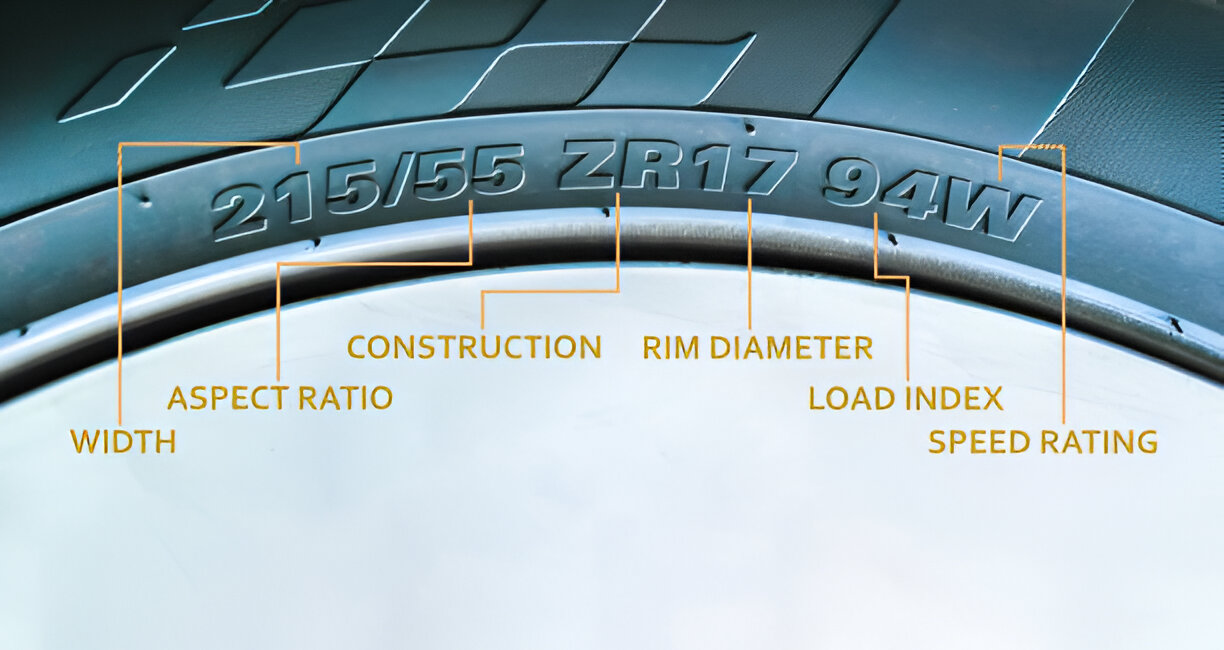
For pickups, body on frame SUVs and heavier crossovers, look at the truck and SUV winter tire selection. Load capacity matters here in a way it does not on a passenger car. Check the load index printed on your door placard and match or exceed it. Under specifying load capacity on a truck is a safety problem, not a comfort compromise.
One practical note about shopping for this category anywhere online, including here: this category is usually filed under a snow or winter heading rather than getting a shelf of their own, because they are certified to the same severe snow standard. If you are browsing and only see tires labeled winter, you are in the right place. Look for the tires described as all weather within that category.

Questions Drivers Ask Before Buying All Weather Tires
Are all weather tires and all terrain tires the same thing?
No, and the two get confused constantly. These are road tires with a 3PMSF certified compound, built for pavement in every season. All terrain tires are truck and SUV tires with an open tread pattern built for gravel, dirt and mud. Some all terrain tires also carry the 3PMSF symbol, but the two categories are designed for entirely different surfaces and are not interchangeable.
Do all weather tires wear out faster than all season tires?
Generally yes, modestly. The softer compound that keeps the tire pliable in cold weather also gives up some tread life in summer heat. Tread warranties in this category commonly run shorter than a comparable all season touring tire. Weigh that against not buying and storing a second set.
Is a premium all weather tire worth it on an older car?
It depends on how long the car is staying and how it is driven. If the vehicle has two or three winters left, a mid tier all weather tire delivers most of the capability for meaningfully less money. If the car lacks anti lock brakes or traction control, spend more rather than less, because the tire is doing all the work.
Can I just run winter tires all year instead?
You can, and some drivers with a low mileage second vehicle do exactly that. The cost is faster wear in summer heat, longer dry braking distances and softer handling response. It is a reasonable choice for a car that mainly gets driven in winter, and a poor one for a primary vehicle.
Do I need four, or can I buy two?
Four. Mixing a 3PMSF rated pair with a worn all season pair creates a front to rear grip imbalance, and on a rear axle that shows up as the back end losing grip before the front does. Every major manufacturer recommends replacing all four for this reason.
What does the speed rating drop mean on winter capable tires?
Many all weather and winter tires carry a lower speed rating than the original equipment tire, because the softer compound generates more heat. That is normal and acceptable as long as the rating still exceeds your realistic driving speeds. Match or exceed the load index without exception, but a one step speed rating reduction on a winter capable tire is a standard trade.
Getting Set Before the First Freeze
The decision comes down to two questions. Does your winter involve regular ice and deep snow, or slush and cold rain with a few snow days? And can you choose not to drive on the worst days? If the answer is slush and flexibility, all weather tires give you the certified winter capability without the seasonal swap. If the answer is ice and no flexibility, buy the winter set and keep an all season set for the rest of the year.
Whichever way you land, decide before the temperature drops. Availability in the popular sizes tightens through October and November every year, and shopping in a hurry after the first storm is how people end up with the wrong tire.
Ready to choose? Browse our full range of 3PMSF rated passenger snow and winter tires, or start with the truck and SUV winter tire selection if you are shopping for a pickup or a larger SUV. Free shipping, and our installer network can mount them locally.