



Last Updated on April 9, 2026
Ultimate Guide to Choosing the Best Winter Tires for Snow Driving and Safety
When temperatures drop and roads turn icy, choosing the right tires can make all the difference between control and chaos. But here’s a common question: what’s the difference between winter tires and snow tires?
In short, both are designed for cold-weather driving, but winter tires are the modern, more inclusive term. It refers to all tires made for temperatures below 45°F (7°C), whether studded or non-studded. Snow tires, on the other hand, are the traditional name, originally used for tires focused on deep snow traction with wider tread blocks and aggressive grip patterns.
If you’re comparing both types, you can also check our detailed guide: 7 Best Snow Tires: Your Ultimate Guide to Winter Driving
In this article, we’ll help you understand the world of winter tires, including what they are, how to choose the best winter and snow tires for 2026, their benefits and what features to look for. We’ll also recommend which models offer the best combination of safety, durability, and value, so you can drive confidently no matter how tough the winter gets. Ready to learn this and more? Get reading!
Key Takeaways: Best Winter Tires for Snow & Ice (2026)
- Top picks: Michelin X-Ice Snow, Nokian Hakkapeliitta R5, and Continental VikingContact 7 stand out for ice traction, comfort, and overall winter performance
- For SUVs & trucks: Dunlop Winter Maxx SJ8, Nokian R5 SUV, and Bridgestone Blizzak DM-V2 provide stability, control, and durability for larger vehicles.
- Performance & extreme grip: Pirelli Ice Zero FR and Bridgestone Blizzak WS90 deliver outstanding traction on severe ice and snow conditions.
- Balanced value: Yokohama Ice Guard IG53 offers a strong mix of traction, low noise, and competitive pricing
- Bottom line: Investing in a full set of quality winter tires ensures safety, longevity, and confident control in harsh conditions.
- Shop smarter: Explore all these models and the best online tire deals at Tires-Easy.
Understanding the Best winter tires
Snow tires, also known as winter tires, are designed to perform in harsh situations like cold, icy, snowy, and slushy conditions. The unique features of snow tires include the following:
- Tread Rubber: The tread rubber of snow tires is made from a softer compound that remains more flexible at lower temperatures. This flexibility allows the tire to conform to the road’s surface, enhancing grip and traction.
- Tread Depth and Patterns: Snow tires have deeper tread depths and unique tread patterns than all-season tires. The deeper treads allow for better traction by reducing snow buildup and providing more bite in snowy conditions. The tread patterns are designed to channel snow, slush, and water away from the tire, helping to prevent hydroplaning.
- Biting Edges: Snow tires are equipped with a high density of sipes or tiny slits in the tread, which provide additional biting edges to help grip the road in icy conditions.
Snow tires are essential for maintaining safety and performance in winter driving. But did you know that there are different types? The various designs exist to match the capabilities needed for varying environments and driving needs. Below are two of the most popular winter tire types;
Studded vs. Non-Studded Tires
Studded Snow Tires
As their names imply, studded tires have metal studs embedded within the tread. These minor, sharp metal points are designed to dig into the ice, providing increased traction and grip. Here are some critical points about studded snow tires:
- Enhanced Ice Traction: Studded tires offer superior grip on icy surfaces, where rubber alone might not provide sufficient traction.
- Road Damage and Legal Restrictions: Metal studs can damage road surfaces, mainly when driven on dry roads. Many regions have specific laws restricting studded tires to certain months of the year or banning them altogether.
Non-Studded Snow Tires:
Unlike studded tires, non-studded tires rely on tread patterns and materials to provide traction on ice and snow without metal studs. Its characteristics include:
- Flexibility and Versatility: They are designed to perform well in a wide range of winter conditions, including snow, slush, and icy roads.
- Quieter Ride: Without metal studs, non-studded tires generally offer a more peaceful and smoother driving experience on clear roads.
- Widely Accepted: Non-studded tires are legal in all states and countries, providing a safe option without the legal hassle of studded tires.
Performance Snow Tires
Let’s talk about another widely known tire, performance snow tires! They are designed for sports and performance-oriented vehicles, offering enhanced handling and speed capabilities in winter without sacrificing safety. Its features include:
- Superior Handling: These tires are tailored to maintain the handling characteristics of performance vehicles, even in snowy and icy conditions.
- Speed Ratings: Unlike traditional snow tires, performance winter tires often have higher speed ratings, allowing for safer high-speed driving in cold weather.
- Advanced Compounds: They use advanced rubber compounds that stay soft and provide grip at lower temperatures.
Touring Snow Tires
Also, a type of winter tire, the touring snow tires are designed for comfort and stability, making them ideal for sedans, SUVs, and light trucks. They blend the safety features of winter tires with all-season tires’ comfort and noise levels. Its features include:
- Enhanced Comfort: These tires are engineered to absorb road irregularities, providing a smoother ride.
- All-Round Performance: Besides providing excellent snow and ice performance, they also handle dry and wet roads well, making them a versatile choice for varied winter conditions.
- Longevity and Durability: Touring snow tires are often designed to wear more evenly and slowly, offering a longer usable life.
Choosing between studded and non-studded tires depends on your typical winter driving conditions and local regulations. Performance snow tires are best suited for those who do not want to compromise on speed and handling during the winter, while touring snow tires offer a balance of comfort, efficiency, and winter safety. Understanding these options allows drivers to make informed decisions that suit their winter driving needs.
Importance of Choosing the Right Snow Tires
Choosing the best winter tires isn’t just about comfort; it’s about safety, control, and performance when roads turn icy or snow-packed. All-season tires might handle light snow, but the best winter tires are engineered for cold, icy conditions. Regular tires harden below 7°C (45°F) and lose grip, while the top winter tires stay flexible and deliver safer braking and handling. That’s why choosing the best snow tires isn’t just marketing, it’s essential for safety. Below, you’ll find a few reasons to use winter tires:
- Safety: Snow tires’ primary benefit is improved safety. Their enhanced grip and traction reduce the likelihood of accidents in cold and slippery conditions.
- Performance: Snow tires are designed to perform optimally in winter weather conditions. They help maintain handling and braking performance in cold weather, which all-season tires cannot match when temperatures drop significantly.
- Cost-Effectiveness: While purchasing snow tires can be an added expense, they can be cost-effective in the long run. By switching between regular and snow tires, you can extend the life of both sets, reducing the frequency of tire replacements.
- Legal Requirements: In some regions, using snow tires is required by law during the winter months. Failing to use snow tires can result in fines and may invalidate your insurance in an accident.
| Winter Tire Feature | Benefit |
| Flexible Rubber Compounds | Maintains elasticity at low temperatures for better road grip |
| Advanced Tread Designs | Channels snow, blush, and water effectively to prevent hydroplanning |
| Bite Practicals & Siping | Improves traction on ice and compact snow for enhanced braking |
| Wider Footprint | Spreads the car’s weight over a larger area for improved handling |
Investing in the best winter tires for cars means protection, performance, and peace of mind on every trip. At Tires Easy, we offer a wide range of winter tires for sale so you can find the right fit, compare prices, and know exactly how much snow tires cost. Shop smart, stay safe, and drive confidently all winter long.
Snow Tires and the Law: What You Need to Know
Let’s talk about this a little bit more.
Snow tires, especially studded ones, are subject to various laws and regulations that can vary significantly from one region to another.
Here’s what you need to know:
- Legal Requirements for Snow Tires: Some regions with severe winter conditions mandate the use of snow tires during certain months. These laws ensure that all vehicles maintain adequate traction to reduce winter traffic accidents.
- Restrictions on Studded Tires: Many areas regulate the use of studded tires because of the damage they can cause to road surfaces. For example, some states in the U.S. allow studded tires only from November 1 to April 1. Other regions might restrict their use to vehicles of certain weights or completely ban them.
- Fines and Penalties: Failure to comply with local snow tire regulations can result in fines. Driving without snow tires during the designated months can also lead to penalties in regions with mandatory snow tires.
- Insurance Considerations: Snow tires can sometimes affect your car insurance. Some insurers offer discounts for using snow tires, recognizing the reduced risk of accidents. Conversely, using studded tires where they are banned or during off-periods can void your insurance in the event of an accident.
Environmental Impact of Studded Snow Tires
While studded snow tires can enhance safety by improving traction on ice, they also have several environmental impacts that warrant consideration:
- Road Wear and Tear: The studs in these tires can tear up road surfaces, leading to significant wear and environmental damage over time. This damage requires frequent repairs and resurfacing, which involve substantial financial and environmental costs due to the use of asphalt and related materials.
- Air and Water Pollution: The wear and tear on roads caused by studded tires increases the amount of particulate matter in the air, harming human health. Additionally, debris from worn road surfaces can accumulate in roadside environments, affecting local ecosystems and water quality.
- Noise Pollution: Studded tires are generally noisier than non-studded tires, contributing to increased noise pollution—an often overlooked environmental concern.
- Alternative Solutions: To mitigate these impacts, some regions encourage the use of non-studded winter tires, which provide improved safety in snow and ice without the same degree of environmental damage. Tire technology advancements have significantly improved the performance of non-studded winter tires, making them a viable alternative in many conditions.
As you can see, snow tires are a crucial component of winter driving. But even more than that, understanding their design and benefits helps motorists like you make informed decisions about tire needs during the colder months. The ability to make these decisions further guarantees safety and performance on the road.
Thus, choosing the right snow tires becomes a matter of complying with local laws and a proactive step towards safer and more effective winter driving.
The Best Winter Tires Reviewed
It’s time to dive into our comprehensive review of the best winter tires for cars, carefully selected to deliver maximum safety, traction, and performance in snow and ice.
If you’re searching for the top winter tires or wondering how much snow tires are, our expert insights will guide you. Industry experts like Tire specialist Jonathan Benson highlight the best snow tires currently on the market, covering both performance and value. And reviews by Motor1 and Car and Driver agree. They recommend tires like Michelin X-Ice Snow and others.
Through testing, we’ve seen how these tires perform under the kind of winter conditions that would challenge any driver. Each year, without fail, they stand out for their dependable grip and durable comfort. It’s tests like these that separate the good from the unbeatable. – Motor1 Review
These models stand out for their snow traction, ice grip, comfort, and durability, making them the top winter tires for sale this season.
The Best Winter Tires Reviewed: Quick List
- Michelin X-Ice Snow Tires
- Nokian Hakkapeliitta R5 (Non-Studded)
- Continental VikingContact 7
- Dunlop Winter Maxx SJ8
- Pirelli Ice Zero Fr
- Bridgestone Blizzak DM-V2
- Nokian Hakkapeliitta R5 SUV
- Bridgestone Blizzak WS90
- Yokohama Ice Guard IG53
Below, we review each model in detail, covering performance, comfort, durability, and value.
Michelin X-Ice Snow Tires
Michelin X-Ice Snow tires are renowned for their durability and ability to handle extreme winter conditions. Its key features include:
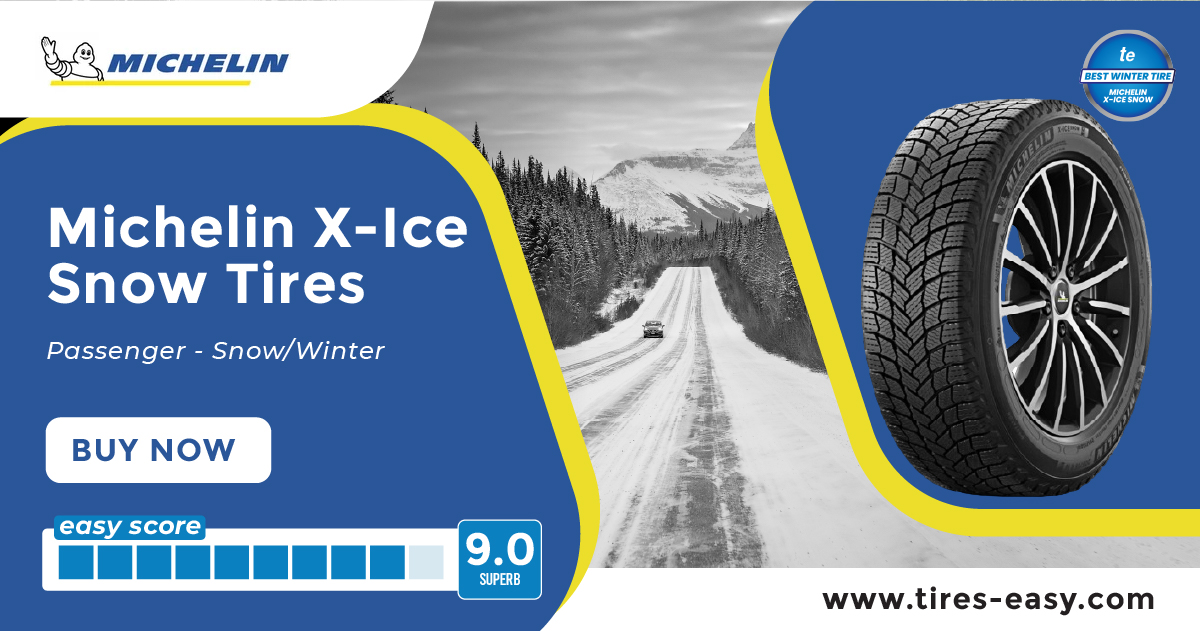
- Longevity: These tires are designed to last 15-20% longer in severe winter than their predecessors.
- Ice Traction: Michelin’s Flex-Ice 2.0 compound is a silica-based formula that maintains flexibility in extreme cold for better grip on ice and snow.
- Technology: The X-Ice Snow tires feature a unique V-shaped tread pattern that efficiently evacuates slush and snow, enhancing grip and safety.
| Pros | Cons |
|
|
Nokian Hakkapeliitta R5 (Non-Studded)
Nokian Hakkapeliitta R5 is a non-studded tire that offers exceptional performance without the road damage typically associated with studs. Highlights include:
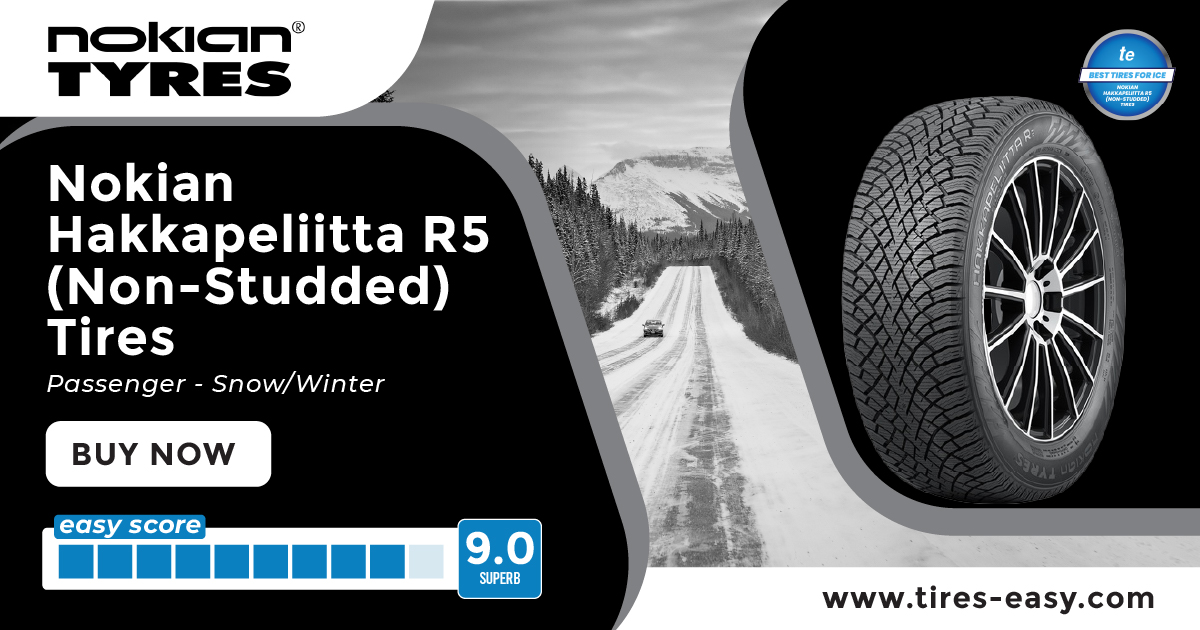
- Grip Particles: The tire includes cryo-crystal particles that embed into the ice, providing micro-roughness and improved grip.
- Eco-Friendly: These tires are made from purified oils and are free from harmful chemicals, making them an environmentally friendly choice.
- Silent Sidewall Technology: The tire reduces noise and vibration, providing a quieter, more comfortable ride.
| Pros | Cons |
|
|
Continental VikingContact 7
Continental VikingContact 7 tires are designed for superb handling and traction in harsh winter conditions. Their features include:
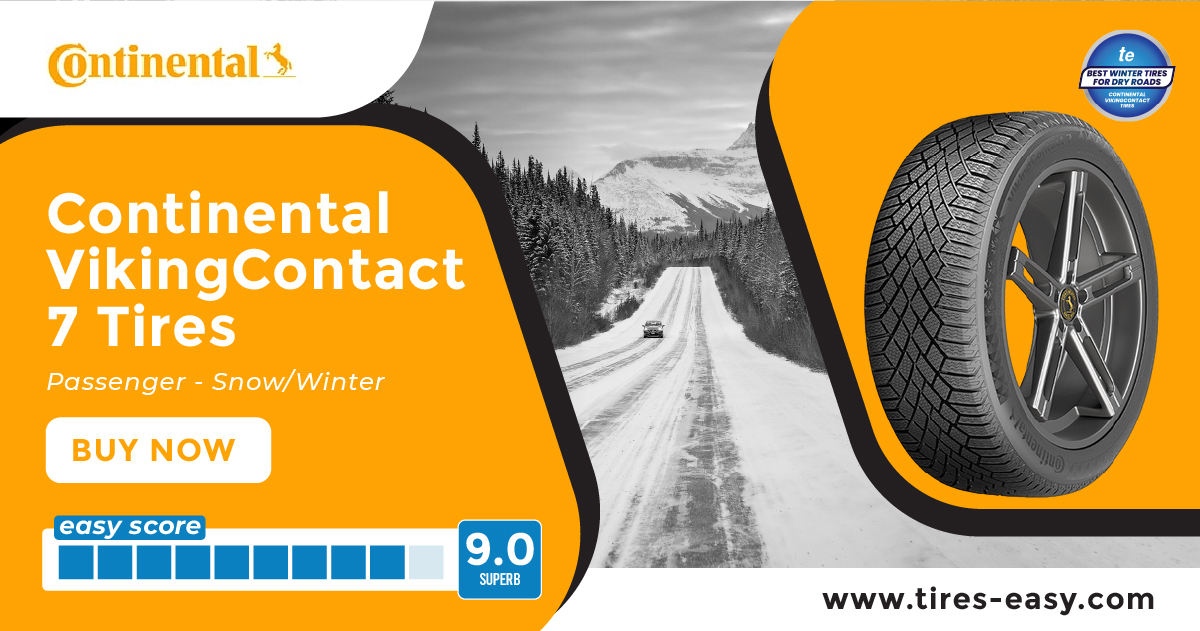
- Adaptive Compound: A canola oil-enhanced tread compound stays flexible in cold temperatures to improve traction on icy roads.
- Pattern Design: The tread pattern with dense sipes and grooves offers excellent grip on snow and ice and efficient water and slush evacuation.
| Pros | Cons |
|
|
Dunlop Winter Maxx SJ8
Dunlop Winter Maxx SJ8 tires offer excellent performance in diverse winter scenarios. They are particularly noted for:
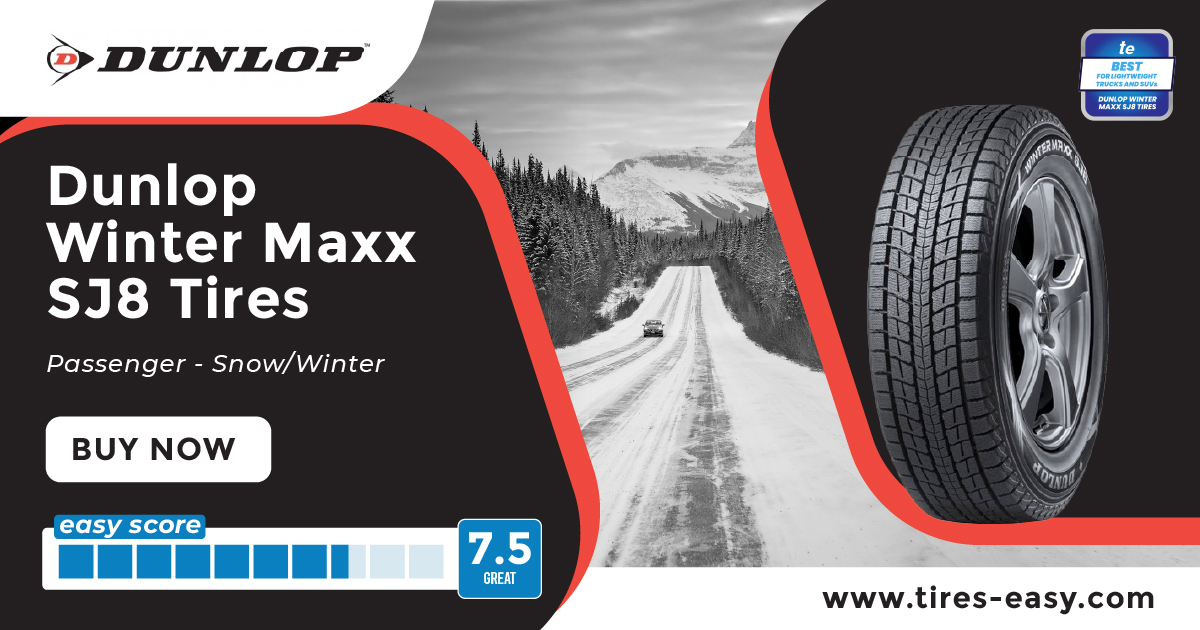
- Nano-Fit Rubber: Combines flexibility and rigidity to maintain surface contact under all conditions.
- Maxx Sharp Edge with Miura-Ori Sipes: Provides higher blade density to increase ice braking and enhance handling in snow.
| Pros | Cons |
|
|
Pirelli Ice Zero Fr
Pirelli Ice Zero Fr tires are well-suited for maintaining high performance in severe winter conditions. The tire features the following:
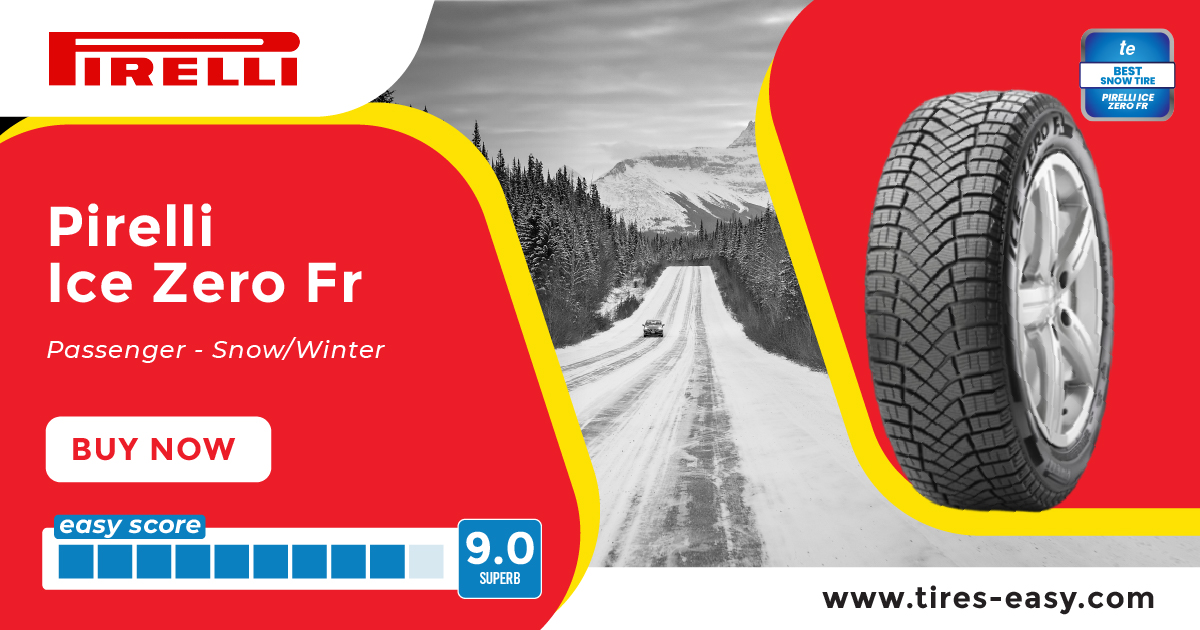
- Directional Tread Design: This feature enhances snow-on-snow traction, which improves grip on wintry surfaces.
- 3D Sipe Technology: This element increases the tire’s stability, providing better handling and improved braking on ice.
| Pros | Cons |
|
|
Bridgestone Blizzak DM-V2
Bridgestone Blizzak DM-V2 tires are renowned for their superior ice traction and handling capabilities in snowy conditions. They are highly recommended for drivers who face severe winter weather conditions and prioritize safety and control over ice and packed snow. Here are their notable features:
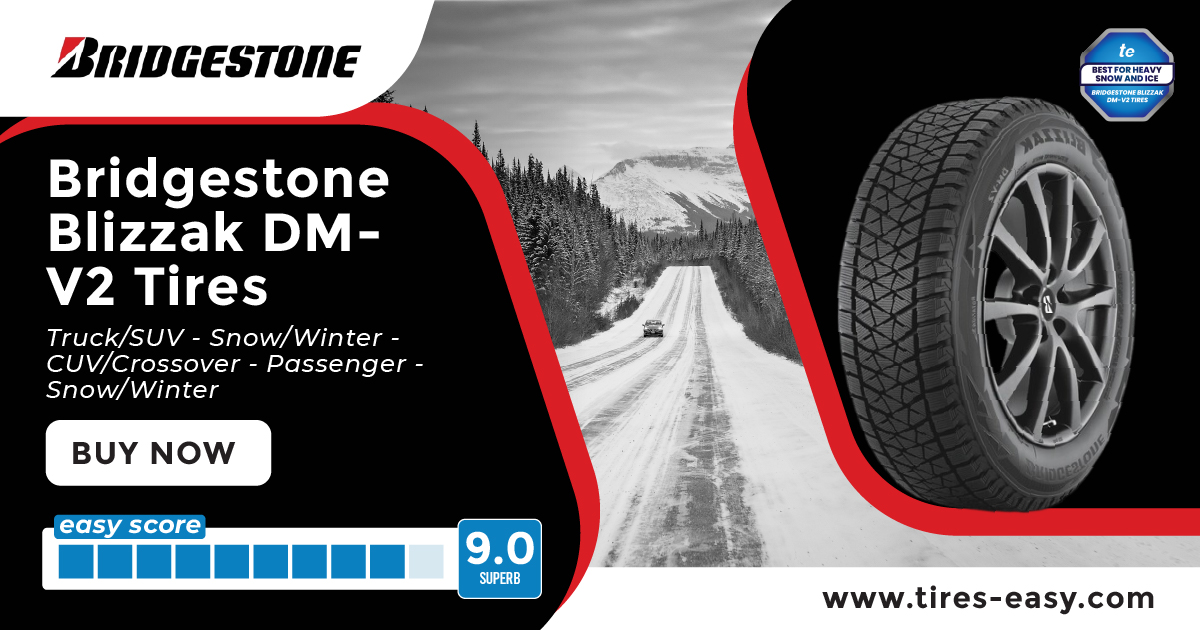
- Multi-Cell Compound: This innovative rubber compound infuses tiny bubbles and tubes that absorb moisture on icy surfaces, allowing for more direct contact and better grip.
- Bite Particles: The DM-V2 incorporates bite particles in the tread, which act like micro-studs, enhancing grip on slick ice.
| Pros | Cons |
|
|
Nokian Hakkapeliitta R5 SUV
Nokian Hakkapeliitta R5 SUV tires are engineered for large vehicles, providing exceptional handling and grip in severe winter conditions. Notable features include:
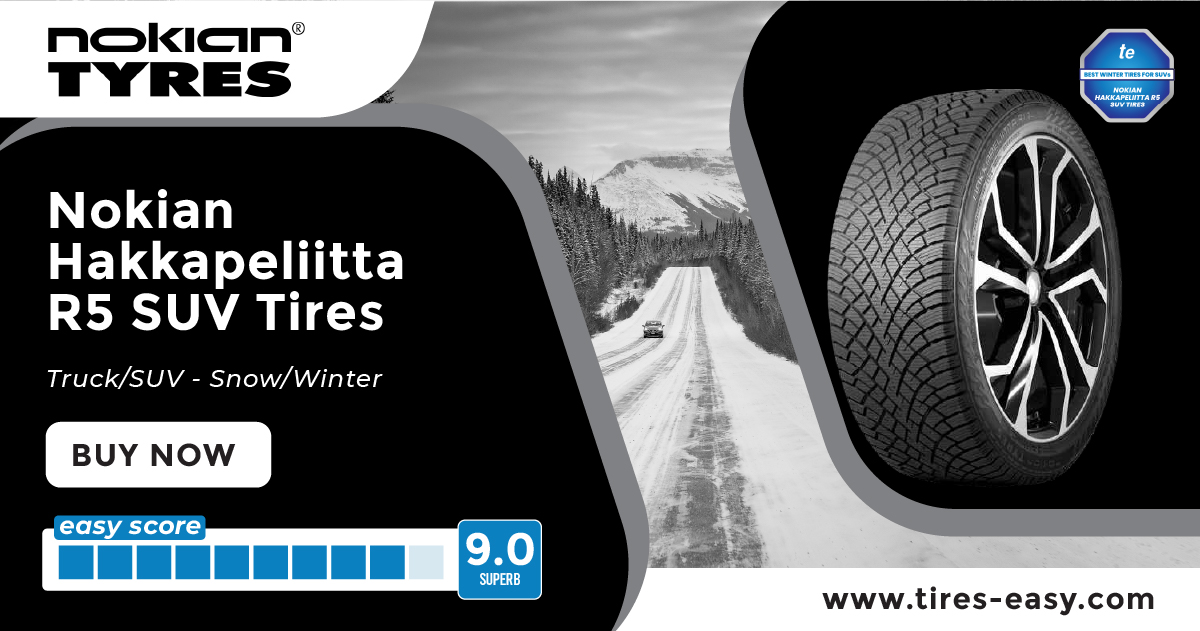
- Aramid Reinforced Structure: This technology integrates aramid fibers into the sidewall, enhancing durability and providing resistance against punctures and cuts, which is crucial for rugged SUV use.
- Balanced Performance: The tire’s tread design is optimized for heavy vehicles, ensuring stability and traction in deep snow and slush, vital for maintaining winter control.
| Pros | Cons |
|
|
Bridgestone Blizzak WS90
Bridgestone Blizzak WS90 tires are renowned for their durability and exceptional ice performance, making them a solid choice for winter drivers. The tire’s highlights include:
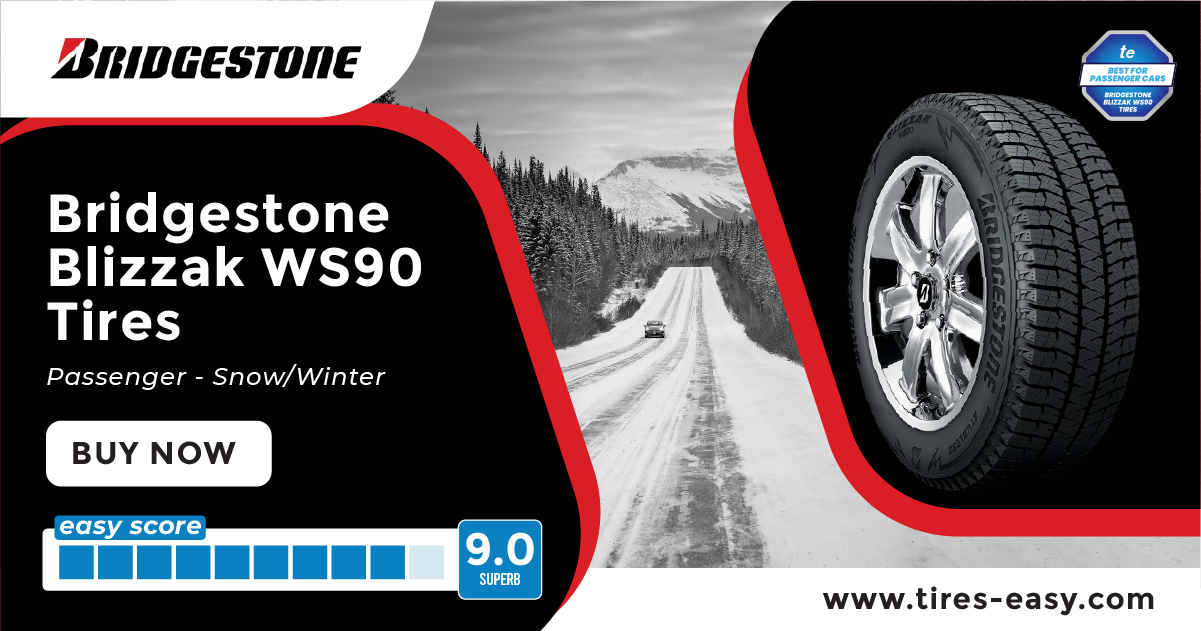
- Advanced Multicellular Compound: This proprietary rubber compound stays flexible in cold temperatures, allowing for better contact with the road and superior grip.
- Enhanced Tread Patterns: The Blizzak WS90 features a unique tread pattern designed to maintain stability and control in harsh winter conditions, reducing the risk of slipping on icy roads.
| Pros | Cons |
|
|
Yokohama Ice Guard IG53
Yokohama Ice Guard IG53 offers innovative technologies to enhance safety and performance on winter roads. Key features include:
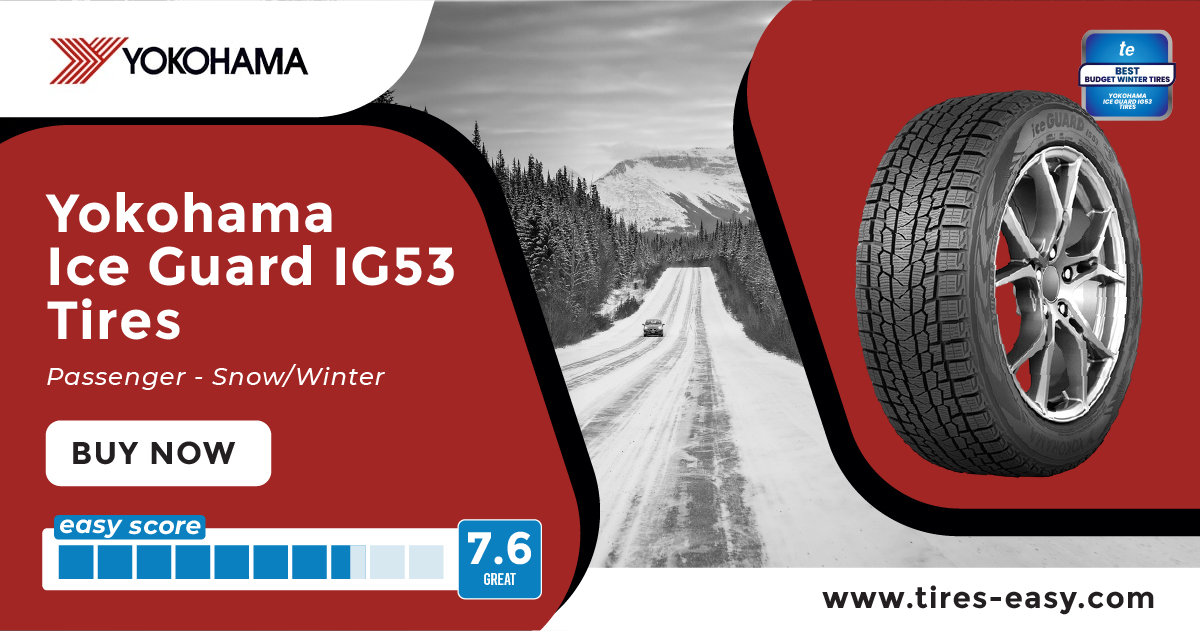
- Triple-Action Compound: This advanced compound adapts to cold, wet, and icy conditions to maintain grip and control.
- Water Absorbing Technology: The tire’s surface is designed to absorb water, reducing the layer of water on ice that can lead to hydroplaning.
| Pros | Cons |
|
|
The Top-Performing Winter Tires
We’ve rigorously tested each winter tire, assessing them across multiple categories: snow, ice, wet & dry handling, and overall comfort. Below are the details about our evaluation criteria:
Top 9 Snow Tires: Safe and Affordable
The final scores, ranging from 1.0 to 10.0 stars, are compiled into an overall rating for each tire. Below, we highlight each tire’s individual and overall ratings and any awards our team has given it.
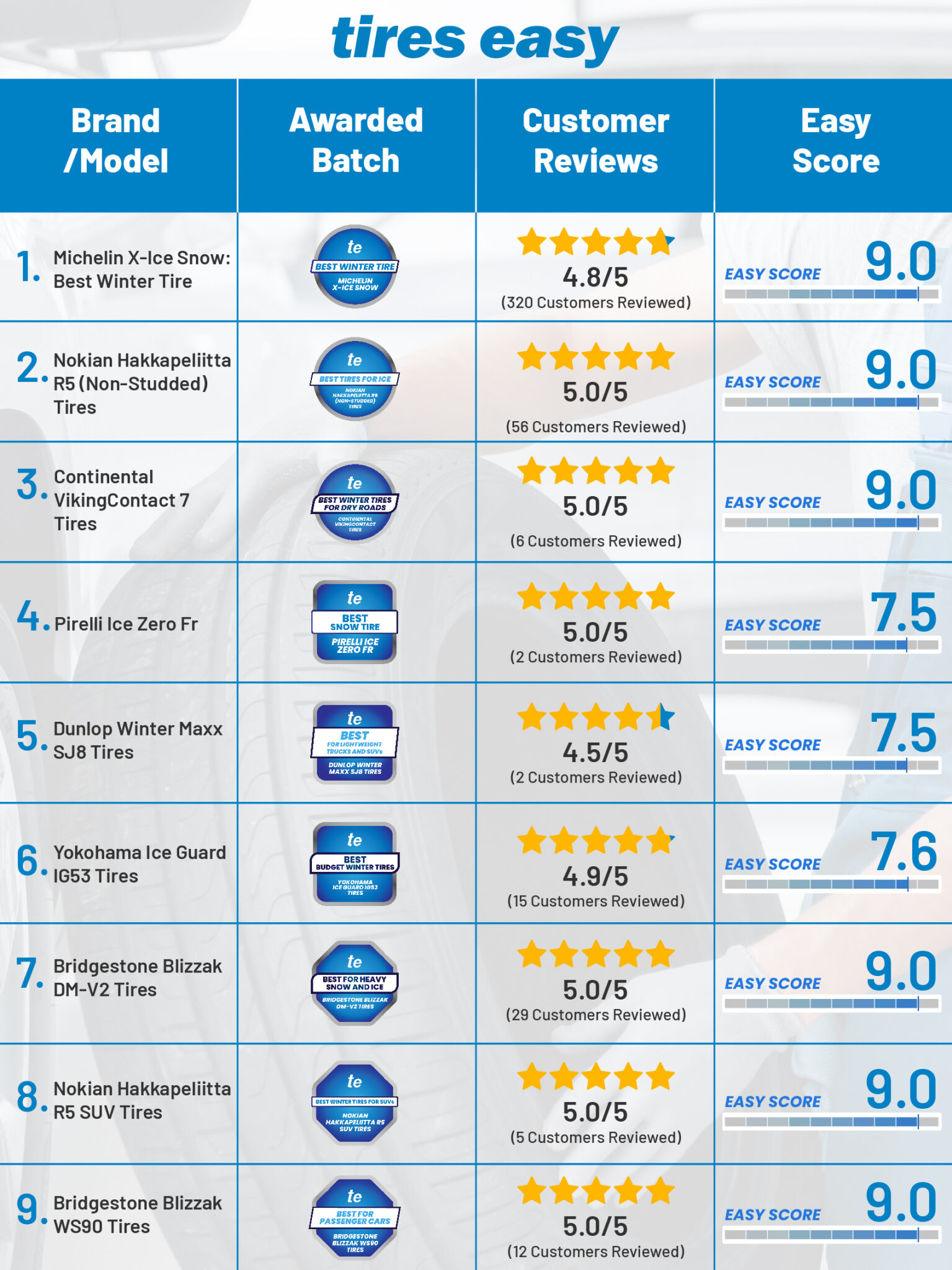
*The retailer and manufacturers collected customer reviews.
Winter Tires vs. All-Season Tires: Which One Is Best for Snow?
When driving in winter, choosing between winter tires and all-season tires is critical. While all-season tires might handle light snow, like the incredibly durable michelin defender ltx m/s 2—are designed to provide excellent year-round performance and light snow traction for trucks and SUVs, they are not a replacement for dedicated winter rubber when things get serious, the best winter tires for cars are built with advanced compounds and tread designs that maximize grip, braking, and control in freezing conditions. If you’re wondering whether you really need them or even asking how much snow tires cost, understanding the differences is the first step to making a safe, smart choice.
Comparative Safety in Snow and Ice
Safety is the top priority on icy and snow-covered roads. Winter tires clearly outperform all-season tires thanks to specialized siping and deeper tread patterns. These features provide stronger traction, shorter stopping distances, and better stability, making them the best snow tires for harsh winter conditions.
Tread Patterns and Siping Technology
The top winter tires use directional tread patterns that push away snow, slush, and water, reducing the risk of hydroplaning. High-density siping (tiny cuts in the tread blocks) adds thousands of biting edges, helping the tire cling to ice and packed snow. This advanced engineering explains why winter tires for sale consistently earn higher safety ratings than all-season options in independent tests.
To find the best winter tires, visit Tires Easy. They have lots of top-quality options. Picking the right tires keeps you safe on snowy roads. Are you ready to choose today?
Features to Consider When Buying Snow Tires
Each snow tire model reviewed offers specific advantages depending on the vehicle type and the typical winter conditions encountered. Whether you drive a high-performance sports car, a heavy-duty SUV, or a standard passenger car, a snow tire is designed to meet your winter driving needs.
Selecting the right snow tire involves considering several factors, including the specific winter conditions in your area, your vehicle’s requirements, and your driving habits.
When choosing snow tires, it is essential to consider their technological features and benefits and their compatibility with your vehicle and driving conditions.
For instance, studded tires might be the best option for those living in areas with frequent ice-covered roads, while a non-studded, high-performance snow tire could be more suitable for regions with mixed winter conditions.
Moreover, it’s important to note that no matter how advanced snow tires are, they should always be used in four sets to ensure the best balance of handling and stability. Using mismatched tires can lead to uneven performance and potentially dangerous driving conditions.
Investing in a quality set of snow tires is critical for winter safety and comfort. By understanding each tire’s unique features and benefits, drivers can make informed choices that enhance their ability to handle challenging winter roads confidently and securely.
Whether it’s the exceptional ice grip of the Bridgestone Blizzak, the advanced compound flexibility of the Michelin X-Ice, or the environmentally friendly aspects of the Nokian Hakkapeliitta, each tire offers a specialized solution to winter driving challenges.
Nonetheless, here are some of the things you can also pay attention to before choosing a snow tire:
Tread Design and Depth
A snow tire’s tread design and depth are crucial to its ability to navigate through snow and ice.
- Tread Design: Snow tires typically feature unique tread patterns designed to channel snow, slush, and water away from the tire, improving traction and preventing hydroplaning. Standard designs include wide grooves, irregular and sharp edges, and complex sipe patterns (minor cuts in the tread blocks).
- Tread Depth: Snow tires usually have deeper tread depths than standard all-season tires. A deeper tread depth reduces snow buildup and enhances the tire’s ability to dig into snow and ice for better traction. The industry standard for new snow tires is typically between 11/32″ to 13/32″, compared to 10/32″ for new all-season tires.
Tire Compound and Flexibility
The material composition and flexibility of the tire compound are also critical features affecting winter performance.
- Tire Compound: Snow tires are made from a softer rubber compound that remains flexible at lower temperatures. This flexibility is crucial for maintaining good road contact in cold weather. The compound often includes silica or other additives that enhance its performance on ice and wet surfaces.
- Flexibility: The tire’s ability to remain flexible in cold temperatures allows it to conform to the road’s surface, providing better grip. As temperatures drop, standard all-season tire compounds can harden and become less effective, whereas the compounds used in snow tires are designed to retain their flexibility.
Tire Size and Proper Fit
Ensuring that your snow tires are the correct size and properly fitted to your vehicle is essential for maintaining the safety and effectiveness of your winter driving.
- Tire Size: Choosing tires that match the size specifications recommended by your vehicle’s manufacturer is vital. Using too large or too small can affect your vehicle’s handling, safety, and fuel efficiency.
- Proper Fit: Snow tires should be installed on all four vehicle wheels. Using snow tires only on the front or rear can lead to imbalanced handling, making the vehicle prone to oversteer or understeer in slippery conditions. Additionally, if your car is equipped with a tire pressure monitoring system (TPMS), ensure that your snow tires are compatible and that the TPMS is functional after the tires are installed.
Cost-Benefit Analysis of Top-Performing Winter Tires
High-quality winter tires aren’t just another purchase; they’re an investment in safety, control, and long-term value. Understanding both pricing and durability helps drivers make smarter decisions when shopping for winter tires for sale.
Budgeting for Safety: How Much Are Snow Tires?
Knowing how much snow tires cost is essential when planning for winter driving. On average, top winter tires for cars from brands like Michelin and Continental range from $70 to $140 per tire. While that may seem like an extra expense, these best snow tires deliver better braking, traction, and peace of mind, reducing the much higher costs of accidents or premature replacements.
Longevity and Durability in Winter Tire Investments
The best winter tires for sale also pay off over time. Durable models last for multiple seasons without losing performance. For example, the Michelin X-Ice Snow is known for its extended tread life and strong warranty coverage. Choosing long-lasting tires means saving money in the long run and enjoying reliable performance year after year.
Smart Shopping for Winter Tires
For drivers asking where to buy the best winter tires for sale, Tires Easy offers a wide selection of affordable, high-quality options. Investing in durable, high-performing snow tires ensures safer driving and smarter spending throughout the winter season.
The Role of Rolling Resistance in Winter Tire Efficiency
When evaluating the best winter tires for cars, most drivers focus on traction and safety in snow and ice. But another critical factor is often overlooked: rolling resistance. This refers to the energy needed to keep tires moving, which directly affects fuel economy and a tire’s carbon footprint. Choosing low rolling resistance models means not only safer winter driving, but also reduced fuel costs and greener performance.
Environmental Impact and Fuel Economy in Snow Tires
Modern eco-friendly designs have made it possible to combine the safety of the best snow tires with improved efficiency. Many top winter tires for sale now feature compounds and tread patterns that reduce rolling resistance, helping vehicles use less fuel. This makes them a smart investment for drivers concerned about both safety and sustainability.
Take the Michelin X-Ice Snow, for example: engineered for maximum winter traction while maintaining a low rolling resistance. The result is dependable ice and snow performance with the added benefit of improved fuel economy and reduced environmental impact.
Comparing the Rolling Resistance of Leading Brands
Let’s compare the rolling resistance comparison between some top brands:
| Brand | Model | Rolling resistance | Fuel Economy Rating |
| Michelin | X-Ice Snow | Low | Excellent |
| Nokian | Hakkapelitta R5 | Medium | Good |
| Continental | VikingContact7 | Medium-Low | Very Good |
Michelin’s X-Ice Snow tires are at the top, with low rolling resistance and excellent fuel economy. This allows us to choose tires based on our concerns about fuel economy and sustainable driving.
When you buy winter tires, consider rolling resistance. It affects your budget and our planet. Tires Easy offers a wide range of tires. They offer safety, performance, and green driving. Choose tires that meet your needs, and feel good about your choice on snowy roads.
Installation and Maintenance of Snow Tires
Before ending this post, you must know that proper installation and maintenance of snow tires are critical to maximizing their performance and lifespan. Here, you’ll learn how to install snow tires correctly, how to maintain them for extended durability, and when to replace them to ensure optimal safety and efficiency.
How to Install Snow Tires
Installing snow tires correctly ensures safety and maximizes tire performance during winter conditions. Generally, there are five steps to follow to install a tire correctly. Note that wrong installation could not only affect the tire’s performance, but it could also put the driver at fatal risk. Here are the steps to proper installation:
STEP I: Choose the Right Tires: The first step is to ensure the tires are appropriate for your vehicle. You must also match the size specifications the manufacturer recommends for your car.
STEP II: Install in Sets: Always install snow tires in four complete sets. Mixing snow tires with all-season or summer tires can lead to uneven handling and danger.
STEP III: Check Tire Direction: Some snow tires are directional and must be mounted to rotate in a specific direction. Ensure the tires are oriented correctly according to the directional arrows on the sidewall.
STEP IV: Balance the Tires: When installed, have the tires balanced. Unbalanced tires can cause vibration, uneven tire wear, and additional strain on your vehicle.
STEP V: Adjust Tire Pressure: Cold weather can reduce tire pressure. Check and adjust the pressure according to the manufacturer’s specifications, keeping in mind that proper inflation is crucial for optimal traction and tire longevity.
Maintenance Tips for Longer Tire Life
Regular maintenance can significantly extend the life of your snow tires and ensure they remain effective and safe. Here are some essential maintenance tips:
- Regular Inspections: Check your tires frequently for signs of wear and tear, such as cracks or uneven tread wear. Also, look for any embedded stones or debris in the treads.
- Maintain Proper Inflation: Tire pressure should be checked regularly, especially during temperature changes. Under-inflated tires can lead to poor handling, increased wear, and higher fuel consumption.
- Rotate Tires: Regularly rotating your tires can help them wear evenly and extend their life. It’s typically recommended to rotate tires every 5,000 to 7,000 miles.
- Clean Your Tires: Remove any salt or debris accumulated on your tires during the winter. Salt can lead to quicker rubber degradation if not cleaned off periodically.
- Seasonal Switch: If you only use winter tires in snow, store them right when not in use. Please keep them in an excellent, dry spot, away from the sun and chemicals. This keeps them in good condition for the following winter.
- Avoiding Rough Roads: Be careful of rough roads in all seasons. Steering clear of potholes and lousy terrain helps avoid tire damage.
When to Replace Snow Tires
It’s not just about maintenance, knowing when to replace your snow tires is crucial for ensuring safety during winter driving. Several factors will tell you when you need a replacement. The factors include:
- Decreased Tread Depth: The minimum tread depth for winter driving is typically 4/32 inches. Use a tread depth gauge to check the tread depth. It’s time to replace the tires if it’s below this level.
- Old Tire Age: Even if the tread appears sufficient, rubber degrades over time. Most manufacturers recommend replacing tires every six years, regardless of tread wear.
- Visible Damage: Any signs of cracking, cuts, or punctures deep enough to reach the tire’s cords indicate that the tire needs to be replaced.
- Performance Decline: If you notice a decrease in traction or an increase in stopping distances, consider new snow tires.
Proper installation, regular maintenance, and timely replacement of snow tires are essential to ensure maximum safety and performance during winter driving. By following these guidelines, drivers can maintain optimal vehicle handling and prolong the lifespan of their tires, ensuring they remain safe and reliable throughout the winter months.
Safety Tips for Winter Driving
Driving in winter conditions like snow and ice can be challenging and hazardous. Proper techniques and essential safety equipment are crucial for ensuring safety during these difficult months. This guide provides practical advice on navigating winter roads safely and the necessary equipment every driver should have.
Driving Techniques on Snow and Ice
Driving on snow and ice requires specific techniques to maintain control and minimize risks:
- Reduce Speed: Lower speeds are imperative in snowy and icy conditions to give you more time to react to traffic and road conditions.
- Increase Following Distance: Extend the distance between your vehicle and the one ahead. In winter, a good rule of thumb is maintaining at least eight to ten seconds of following distance.
- Avoid Sudden Movements: Sudden maneuvers can lead to skidding. Gentle acceleration, deceleration, and steering are essential. Apply brakes gently to avoid locking them up, and if your vehicle starts to slide, steer into the skid to regain control.
- Use Engine Braking: Downshift to a lower gear to allow the engine to slow the vehicle down before applying the brakes, reducing the risk of skidding.
- Be Cautious Over Bridges and Overpasses: These areas freeze first and may be icier than other road parts.
- Headlights On: Always keep your headlights on during snowy conditions to increase your visibility to other drivers.
Essential Safety Equipment for Winter
Equipping your vehicle with the right tools and safety items can make a significant difference in your safety during winter driving:
- Winter Tires: As discussed earlier, the best winter tires are crucial for better traction, handling, and braking performance in cold, snowy, or icy conditions.
- Snow Chains: For extreme conditions, carrying snow chains can provide additional traction on roads covered with ice and packed snow.
- Ice Scraper and Snow Brush: Essential for clearing ice and snow off your car windows, mirrors, and lights to maintain visibility.
- Emergency Kit: If you get stranded, include items such as a flashlight, a blanket, a first-aid kit, a portable charger, water, and non-perishable snacks.
- Shovel: A compact shovel can help you dig your vehicle out of snow if necessary.
- Jumper Cables: Cold weather can affect battery performance, and having jumper cables ensures you can start your car with assistance if the battery dies.
- Sand, Salt, or Kitty Litter: These can be used under tires to provide traction if you become stuck in snow or ice.
Winter driving demands careful attention to both driving techniques and preparatory measures to ensure safety on the road. Adhering to the recommended driving techniques on snow and ice significantly reduces the risk of accidents. Moreover, equipping your vehicle with essential winter safety equipment can prepare you for unexpected situations, making your winter journeys safer and more comfortable. Drivers can confidently navigate winter roads by following these tips and being vigilant and prepared.
Conclusion
After reviewing various aspects of snow tires, from their types and essential features to the legal and environmental considerations, it’s clear that choosing the right snow tires is crucial for safe and efficient winter driving.
Here, we’ve provided a recap of the top snow tires and some final recommendations to help you make the best choice for your vehicle and driving conditions.
Recap of Top Snow Tires
- Michelin X-Ice Snow Tires: Known for their durability and excellent traction on ice and snow, these tires are a great choice for long winter seasons.
- Nokian Hakkapeliitta R5 (Non-Studded): These tires offer outstanding grip and safety without the road damage associated with studs, making them ideal for severe winter conditions.
- Continental VikingContact 7: These tires are excellent for handling icy and snowy roads and provide a comfortable, quiet ride.
- Dunlop Winter Maxx SJ8: These tires are designed for versatile winter performance, providing good traction across various cold weather conditions.
- Pirelli Ice Zero Fr: Known for their stability and handling on icy surfaces, these tires suit drivers facing extreme winter conditions.
- Bridgestone Blizzak DM-V2 and WS90: Both models are revered for their advanced technology that ensures superior grip and control in harsh winter environments.
Final Recommendations
When selecting snow tires, consider the following tips to ensure you choose the best fit for your needs:
- Assess Your Winter Conditions: Choose a tire that matches the severity and type of winter conditions you typically encounter. If you regularly face heavy snow and ice, look for tires with exceptional ice grip and snow performance.
- Consider Legal Requirements: Always be aware of and comply with local regulations regarding snow tire usage, especially if you’re considering studded tires.
- Think Long-Term: Invest in high-quality snow tires with durability and extended tread life to ensure safety and cost-effectiveness over multiple seasons.
With winter approaching, ensuring your vehicle is equipped with the right snow tires is more important than ever. At Tires Easy, we provide a wide selection of top-quality snow tires that meet various needs and preferences. Whether you’re looking for enhanced grip, longevity, or excellent all-around performance, you’ll find the perfect match for your vehicle on our site.
Shop Snow Tires Now
Winter is coming, so don’t compromise on safety. Visit Tires Easy today and explore our extensive collection of the best snow tires. Our easy navigation and convenient purchasing options make getting winter-ready a breeze. Drive with confidence and comfort all season long. Choose Tires Easy, your one-stop shop for winter peace of mind.
Glossary of Terms
- All-Season Tires: Tires are designed to provide safe driving in various conditions, including dry roads, rain, and light winter conditions, but they are not suitable for severe snow and ice.
- Biting Edges: Small, jagged slits in the tread of a tire that improve traction on ice.
- Directional Tires: These tires have a tread pattern that optimizes performance in one direction to enhance water and slush evacuation and reduce hydroplaning.
- Hydroplaning is when water builds up under the tire faster than it can be pushed away, causing the tire to lose contact with the road and the vehicle to slide uncontrollably.
- Ice Tires: Winter tires are specifically designed to perform on roads covered with ice with enhanced traction capabilities.
- Sipes: Small, thin slots cut into the tread of a tire to improve traction in wet, icy, or snowy conditions.
- Studded Tires: These snow tires have metal studs embedded within the tread for increased traction on hard-packed snow and ice.
- Tread Compound is the rubber mixture used in tire manufacturing. It can vary in stiffness and flexibility to adapt to different weather conditions.
- Tread Depth is the depth of the outer part of the tire that comes into contact with the road. Deeper treads are typically better for snow and wet road conditions.
- Winter Tires are tires specifically for snow and ice, featuring specialized tread designs and compounds to enhance traction in cold weather.
FAQ
Are snow tires necessary?
Snow tires are highly recommended in areas where winter conditions include snow, ice, and temperatures consistently below 45 degrees Fahrenheit. They are designed to provide superior traction and handling in these conditions compared to all-season tires.
Can I use snow tires all year?
Snow tires are only advisable for some years. They are made from a softer rubber compound that can wear down quickly in warmer temperatures. They also perform less on dry and wet roads than all-season or summer tires.
How many snow tires do I need to install?
Installing snow tires on all four wheels is essential, even if your vehicle is front-wheel or rear-wheel drive. This ensures balanced handling and stability, preventing the non-winter tires from underperforming and leading to potential control issues.
When should I install and remove my snow tires?
Snow tires should generally be installed once the temperature reaches 45 degrees Fahrenheit or lower and removed in the spring when temperatures consistently rise above this threshold.
Are good winter tires worth it?
Yes, good winter tires are worth it. High-quality winter tires allow you to grip in winter conditions and make winter driving as safe as possible.
How do I choose the best snow tires for my vehicle?
Choosing the right snow tires depends on how and where you drive and what car you have. Look for tires with significant snow and ice reviews; the Michelin X-Ice Snow, Nokian Hakkapeliitta R5, and Continental VikingContact 7 are top picks for severe weather. However, if you live in a region with very mild winters and rarely see deep snow, you might prefer a high-quality all-season tire like the michelin defender 2. In common crossover sizes like 215/65r17, this model offers incredible tread life and reliable wet traction. But remember: for true peace of mind on icy roads, nothing beats a dedicated winter tire.