



Last Updated on April 9, 2026
Snow and Winter Tires: Everything You Need to Know for Safer Winter Driving
Winter tire-related content is abundant online; however, not all sources are reliable or deliver complete information to readers. We at Tires Easy are dedicated enthusiasts who believe that having the right tires on is one of the most crucial components of safe driving.
We are always eager to spread the knowledge to our customers and followers. With temperatures already beginning to approach the freezing point in northern regions, we have compiled the ultimate guide to winter tires for you.
Key Takeaways (Winter Tires at a Glance)
- Braking: Winter tires can stop up to 30% shorter on snow and ice.
- When to switch: Install when temperatures are consistently below 45°F (7°C).
- Studded vs. studless: Studded tires grip best on ice; studless work well in most U.S. winter conditions.
- Legal note: Some U.S. states restrict or require winter tires in certain months.
- EV drivers: Winter tires with low rolling resistance help protect battery range.
- Maintenance: Rotate every 6,000 to 8,000 miles, check inflation, and store properly off-season.
Our guideline below aims to raise awareness and help people stay safe in harsh weather conditions. So, if you read just one article about winter tires this season, ensure it’s this one – because it covers everything you need to know in one place.
What Are Winter or Snow Tires?
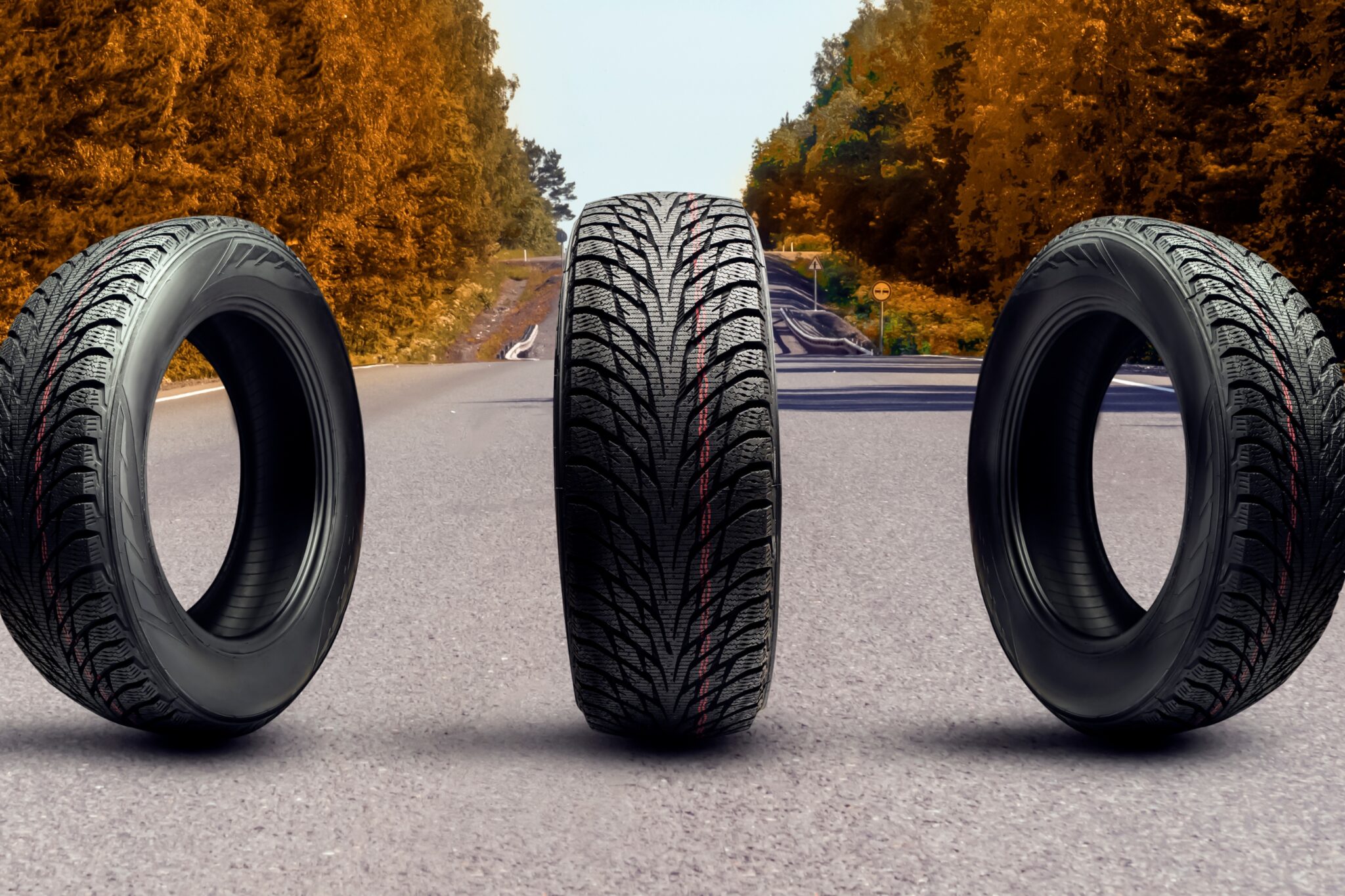
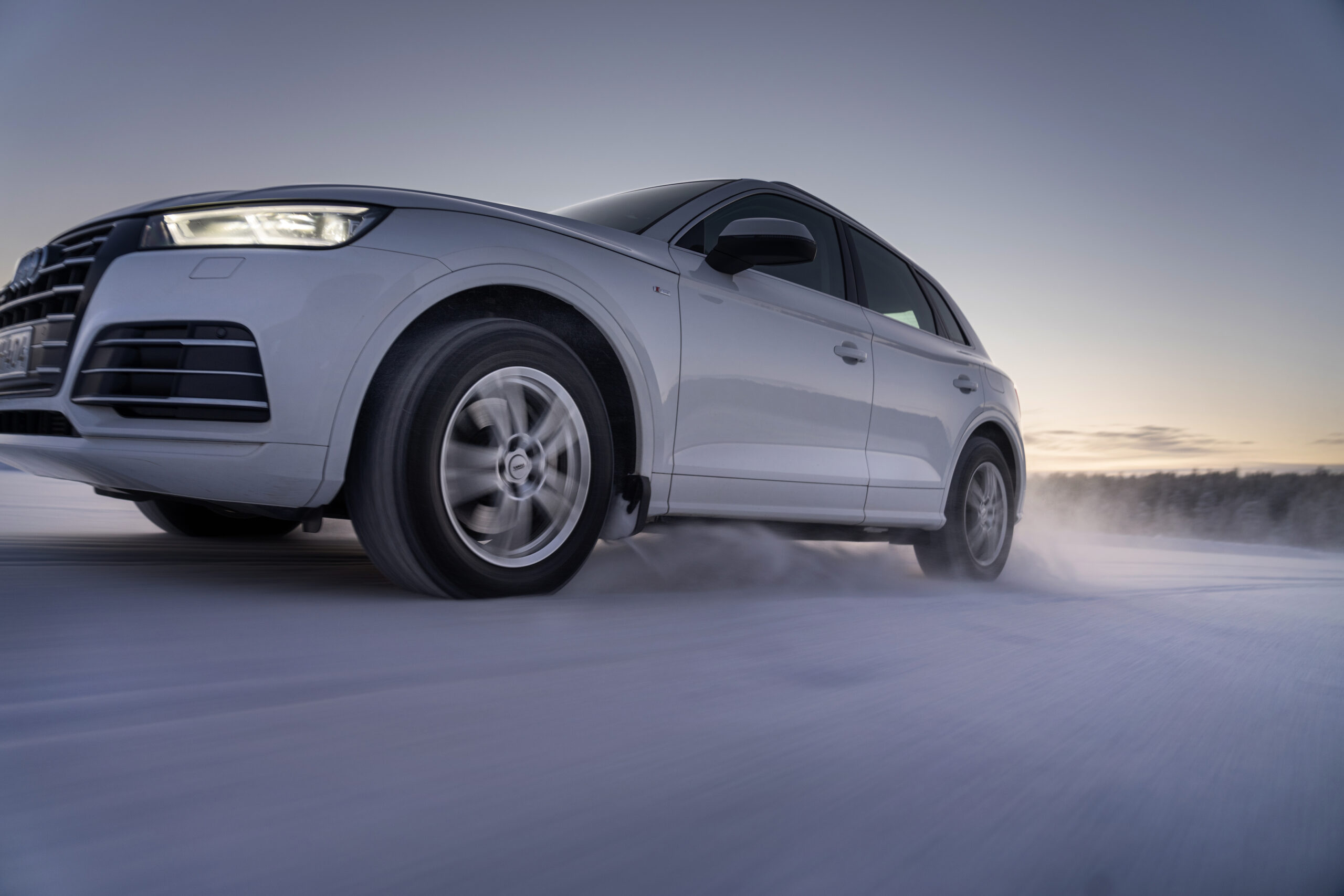
Snow or winter tires are automotive tires made of unique rubber compounds. They use particular technologies and thread designs to enhance grip and stability in low temperatures on snow and ice. Years of research and development and relentless testing enable them to deliver the safest option and minimize the risks of losing traction and control in harsh winters. Winter tires are available in various sizes to fit nearly all types of cars and trucks.
The Science Behind The Winter Tires
Although they look similar to standard car tires, winter tires feature precise rubber formulas and different construction. The most notable difference is the rubber compounds. Standard summer car tires are susceptible to outside temperatures; when the temperature is nearly freezing, the rubber loses flexibility and becomes stiff. When the tire is not flexible enough, the handling, steering, and braking capabilities are wholly compromised, resulting in a dangerous vehicle to drive, where a winter tire is most beneficial. Winter tires are made of a specific rubber material that retains flexibility even in temperatures below freezing.
Winter tires also have a specific tread design, which is as important as the rubber compound. First, the tread pattern is more aggressive, with deep grooves needed for snow and ice traction. The edges of the treads are somewhat sharper to reduce the hydroplaning in slushy conditions and perform well in wet conditions.
Another useful tip for recognizing a proper winter tire is the sipes, which are small slits in the tread blocks. They are not as deep as the rest of the treads but play a vital role in snow. Research shows that when snow is pressed together, it creates a strong bond (like a snowball). Sipes serve a similar purpose – they are designed to trap small amounts of snow, which then bonds with the snow on the ground to help create traction. It sounds like a minor feature, but remember that there are hundreds of these small slits on just one winter tire, and this small detail makes a big difference in real life.
Types Of Winter Tires
Not all winter tires are created equal. Depending on your vehicle, climate, and driving habits, choosing the right type can make all the difference for safety and performance.
Studless Winter Tires
- Most common type, suitable for passenger cars, SUVs, and pickups.
- Made with flexible rubber compounds that stay soft in cold weather.
- Tread patterns feature deep grooves and hundreds of sipes (tiny slits) that improve grip on snow and ice.
- Ideal for regions with regular snow but where studded tires are restricted or unnecessary.
Studded Winter Tires
- Designed for extreme conditions with ice and hard-packed snow.
- Embedded metal or plastic studs bite into ice for maximum traction.
- Provide unmatched grip in sub-zero climates, but come with trade-offs: noisy on dry pavement, reduced comfort, and potential road damage.
- Regulated or restricted in some U.S. states due to road wear.
Performance Winter Tires
- Built for high-performance and sports cars that need winter traction without losing handling or speed responsiveness.
- Feature optimized tread designs that balance dry-road agility with snow and slush grip.
- Great choice for drivers who want winter safety but also sporty handling.
All-Season Tires vs. Winter Tires
- All-season tires are convenient for year-round use but harden in cold temperatures, reducing safety and grip.
- Winter tires are purpose-built with softer compounds and specialized tread patterns for below-45°F driving.
- For true winter conditions, dedicated winter tires outperform all-seasons by a wide margin in braking, traction, and cornering.

Why Use Winter Tires?
Winter rubber is essential in temperatures below 45°F (7°C) and irreplaceable in areas with continental climates and snowy winters. Unlike all-season tires, which are acceptable in moderate conditions, winter tires are specifically designed for proper winter driving.
In recent studies completed in 2022 by the Tire and Rubber Association of Canada, braking distances were up to 30% shorter with winter tires compared to all-season tires. We cannot stress enough the significance of this and the substantial difference these braking capabilities can make in real-life conditions. Having a shorter brake distance is a life-saving benefit, meaning you are less likely to crash into a vehicle in front of you during panic braking on a snow-covered road.
One of the significant advantages of winter tires is their ability to maintain control on slippery surfaces. Whether it’s black ice, wet roads, or packed snow, winter tires are designed to enhance vehicle stability. Even if you drive an AWD or 4×4-equipped vehicle, winter tires are necessary to be safe on the road. Advanced drive train systems can only do so much if the contact patch (tire) is not up to the task.
Key Benefits of Winter Tires
- Enhanced Traction: Winter tires provide significantly better grip on snow and ice compared to all-season tires, reducing the risk of sliding or losing control.
- Shorter Stopping Distances: Studies show that braking distances can be up to 30% shorter with winter tires on icy or snowy roads, which can prevent accidents and save lives.
- Improved Handling: Their tread design and cold-resistant rubber allow smoother steering, better cornering, and more stability on slippery roads.
- Cold Temperature Performance: Unlike all-seasons that stiffen in the cold, winter tires stay flexible even in sub-freezing conditions, ensuring consistent performance.
- Control on Slippery Surfaces: From black ice to wet pavement to packed snow, winter tires help drivers maintain stability and avoid dangerous skids. Even AWD and 4×4 vehicles depend on proper winter tires, drivetrain systems can only work if the tire itself grips the road.
- Insurance and Safety Advantages: In some U.S. states, regulations restrict or mandate the use of winter tires during certain months. Additionally, some insurance providers may recognize winter tires as a safety feature that lowers risk.
Winter Tire Myths
Despite the technology behind winter tires and their straightforward purpose, numerous myths surround this type of tire. Many of these myths are laughable, but they are no laughing matter regarding real danger. Several winter tire myths have continued to grow over the years and refuse to go away for some reason. We have compiled all these myths, providing detailed reasons to debunk them and why you shouldn’t take the truth for granted.
Choosing The Right Winter Tires
Choosing winter tires is like choosing the right shoes, you wouldn’t hike in flip-flops or wear cowboy boots to the beach. In the same way, the right tires depend on your driving conditions, climate, and vehicle. Getting it wrong compromises both safety and performance.
To find a winter tire that ideally suits your needs, you need to consider several aspects before you decide. We have compiled a detailed guide for this purpose, and apart from assessing your climate, driving habits, and budget, you need to know your dimensions, load index, and speed index.
Key Factors to Consider When Selecting Winter Tires:
Tire Size and Compatibility
- Always confirm the recommended tire size in your vehicle’s owner’s manual or the placard on the driver’s door.
- Pay attention to aspect ratio, width, load index, and speed rating, these affect handling, comfort, and safety.
Tread Pattern and Design
- Directional (V-shaped): Excellent for deep snow and slush evacuation.
- Symmetrical: Balanced performance and quieter ride, often budget-friendly.
- Asymmetrical: Inner tread handles snow/slush, outer tread improves cornering.
- Sipe density: More sipes = better grip on snow and ice.
Rubber Compound and Traction
- Winter tires stay flexible below 45°F (7°C), unlike all-season tires that stiffen in cold weather.
- Premium models add micro-pores or special additives for enhanced grip.
Studded vs. Studless
- Studless: The most versatile option, perfect for most winter driving needs.
- Studded: Maximum grip on ice, but noisy, harsh on pavement, and restricted in some U.S. states.
Performance Winter Tires
- Built for sports cars and performance vehicles needing winter traction without losing agility.
- Balance speed responsiveness with cold-weather safety.
Installation and Seasonal Changeover
- Tires must be properly mounted and balanced to avoid uneven wear.
- Switch to winter tires in late fall, and revert in spring once temps rise above 45°F consistently.
Winter Tires vs. All-Season Tires
All-season tires are marked with the M+S (Mud + Snow) symbol and designed for mixed conditions. They work for mild winters, but their rubber compound hardens in the cold, reducing grip.
Winter tires are purpose-built for snow, ice, and freezing temperatures. They provide:
- Up to 30% shorter braking distances.
- Better acceleration and cornering on slippery roads.
- Safer handling even for AWD or 4×4 vehicles.
All-weather tires are marketed as a compromise, but while they perform better than all-seasons in the cold, they still cannot match dedicated winter tires for severe conditions.
Installing Winter Tires: Best Practices for Safety and Performance
Installing winter tires correctly is just as important as buying the right set. Proper installation ensures traction, braking, and overall safety when driving on snow, slush, or ice. Here are the key steps to get it right:
DIY vs. Professional Installation
- DIY installation: Possible if you have the tools, space, and experience. It can save money, but mistakes in torque, alignment, or mounting can compromise safety.
- Professional installation: The recommended choice. Certified technicians ensure correct mounting, torque specs, and balancing, minimizing risks.
Mounting, Balancing, and Alignment
- Mounting: Tires must be seated correctly on the rim to avoid leaks and uneven wear.
- Balancing: Ensures equal weight distribution across the wheel and tire, reducing vibration and improving handling.
- Alignment: A quick alignment check prevents irregular tread wear and helps winter tires last longer.
Seasonal Tire Changeover
- Timing: Install winter tires in late fall when temperatures consistently drop below 45°F (7°C), and switch back in spring.
- Storage: Store off-season tires in a cool, dry place away from sunlight. Use storage bags or racks to prevent cracking or deformation.
- Convenience tip: Many tire shops offer seasonal swap programs, handling mounting, balancing, and storage for you.
Winter Tire Safety Checklist
Before hitting the road, always:
- Verify correct tire pressure (cold weather lowers PSI).
Inspect tread depth, at least 6/32” is recommended for snow traction. - Check for visible cracks, cuts, or uneven wear.
- Rotate every 6,000 to 8,000 miles to ensure even performance.
Safety Tips For Snowy And Icy Roads
Winter creates a challenging environment for motorists; from snowfall, fog, and icy roads to freezing rain, practically everything can be hazardous. A set of winter tires is essential, but it’s equally important to be mindful of road conditions and adjust your driving style. To help keep you at your safest, we’ve prepared a few simple yet effective tips for driving on snowy and icy roads, regardless of the harsh climate.
1) Drive Under The Limit
When driving conditions are complex, you should constantly adjust your speed accordingly. Often, this means driving under the speed limit, which will help maintain vehicle control and allow you more time to react if something goes wrong.
2) Keep Your Distance
This is a very important piece of advice and can be crucial. In moving traffic, maintain a safe following distance from the vehicle in the front so you have enough time to brake in an emergency.
3) Do Not Panic If The Vehicle Starts To Skid
Unfortunately, skidding is the reality of driving in harsh winter conditions, and you should know how to handle it. If your vehicle begins to skid, your natural instinct will be to slam on the brakes, but that could only worsen things. When your vehicle starts to slide – avoid hard braking – instead, slowly decelerate and try to turn the wheel gently. In most cases, you can gain control by steering and adjusting the throttle.
4) Microclimate:
You don’t hear this often, but here’s another helpful tip to avoid hazardous driving. Due to “microclimates” (where one small area is experiencing different conditions than a neighboring area), some parts of the road may be ice-covered while others are dehydrated. This is particularly common with bridges and overpasses exposed to wind and moisture that could be covered entirely in ice. It’s difficult to spot these areas; they can sometimes be hidden in shade or less sun-exposed areas.
5) Check The Forecast
With today’s smartphone technology, staying informed about the weather forecast is easier now than ever. Using a weather tool or app is a great way to be prepared, especially for long holiday road trips or when driving in remote areas.
Climate-Specific Winter Tire Tips
With so many winter tire options available, we narrowed down a short list of specific tire models for various conditions. We covered models for moderate winter conditions, severe snow, and occasional ice on the roads. Here, you will find the most popular and most capable tires for passenger cars:
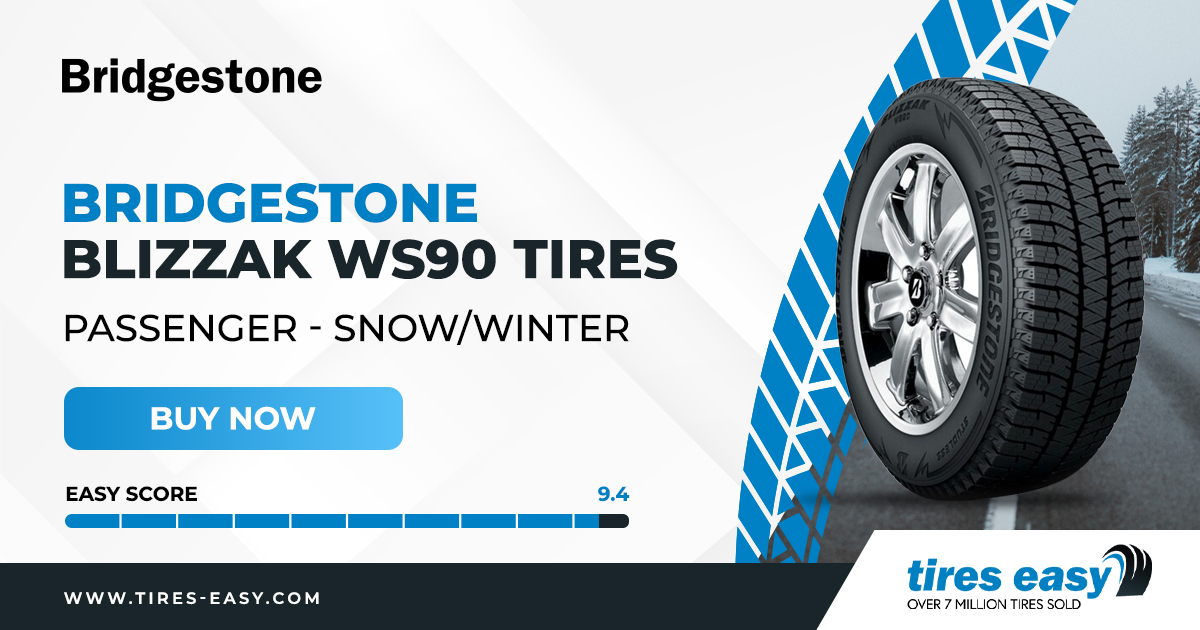
Bridgestone Blizzak WS90
- Best for: Ice and snow performance, including moderate winter conditions.
- Features: Multi-cell compound that wicks away water from ice for better traction; aggressive tread pattern enhances snow grip.
- Pros: Outstanding ice performance, excellent snow grip, and reliable braking on slippery surfaces.
- Cons: Tread life may be shorter on dry, warmer roads.
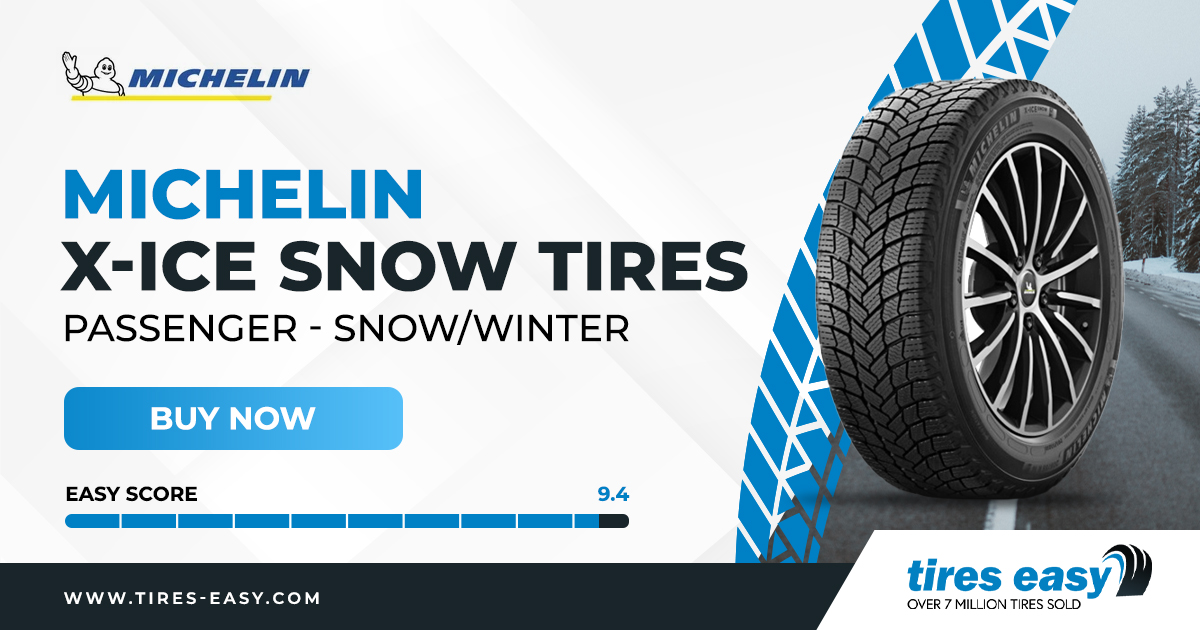
Michelin X-Ice Snow
- Best for: All-around winter performance in varying conditions.
- Features: FleX-Ice 2.0 compound for durability on ice, V-shaped tread pattern for traction in deep snow.
- Pros: Great on snow and ice with long-lasting tread; quieter ride than many other winter tires.
- Cons: Higher price point.
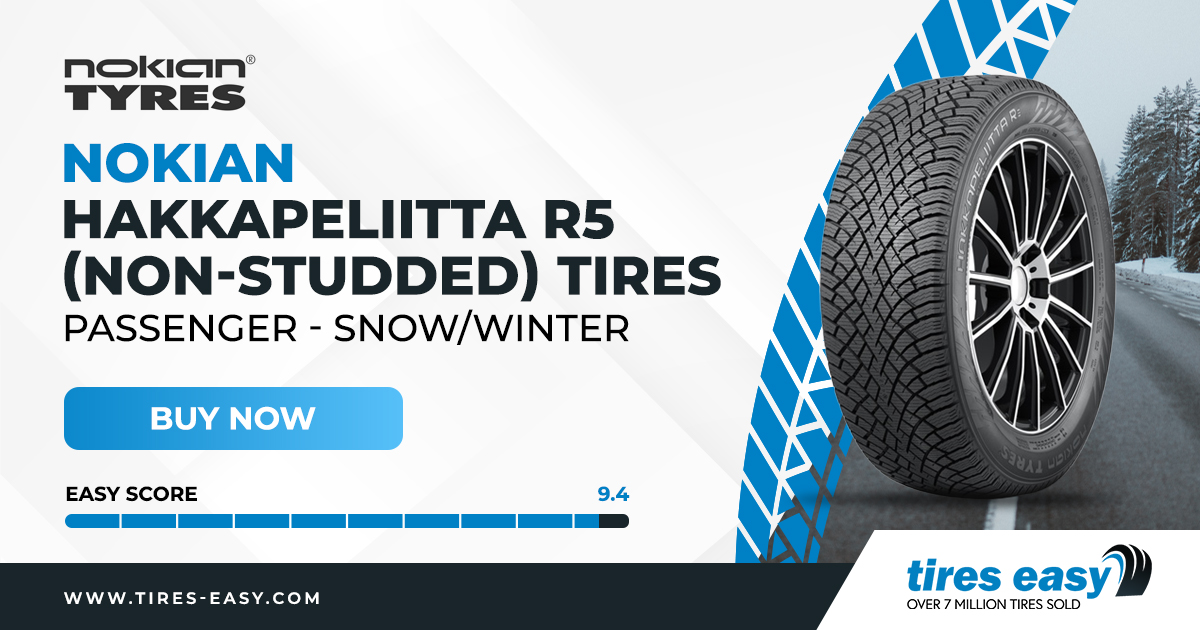
Nokian Hakkapeliitta R5
- Best for: Severe snow, ice, and moderate winter conditions.
- Features: Non-studded Arctic Grip technology that improves grip on ice and snow, excellent snow and slush evacuation.
- Pros: Superior ice grip for a non-studded tire, outstanding durability, and excellent fuel efficiency.
- Cons: Limited Availability and premium price.
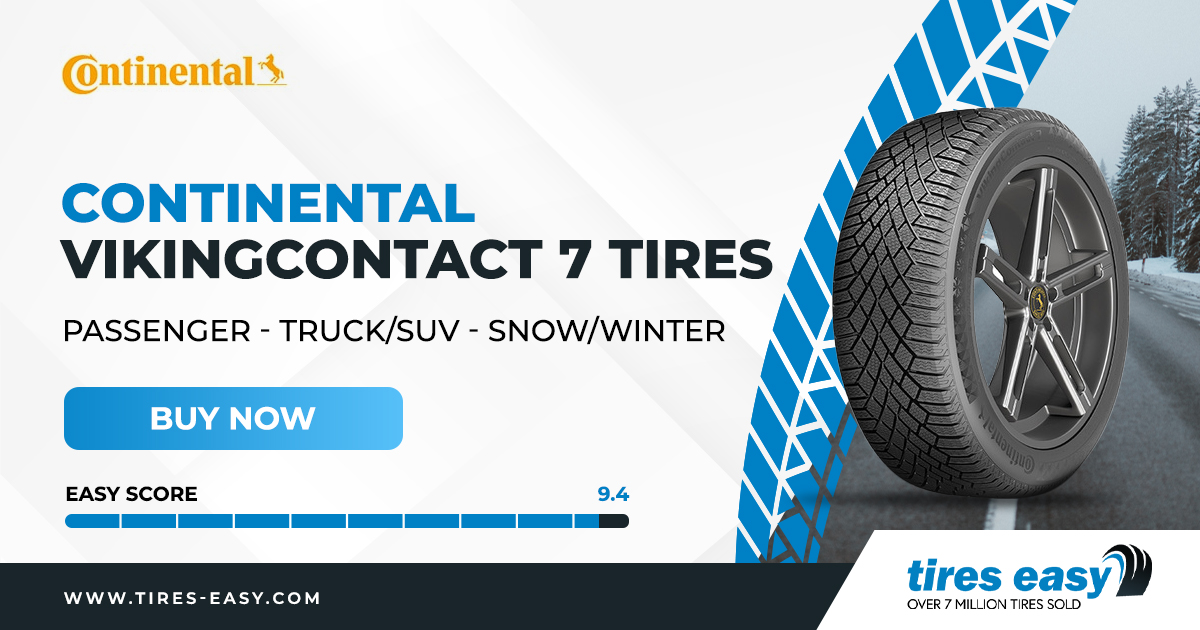
Continental VikingContact 7
- Best for: Balanced performance on snow, ice, and cold, dry roads.
- Features: Special silica compound enhances flexibility in cold temperatures; interlocking tread blocks stabilize icy surfaces.
- Pros: Excellent snow and ice performance, stability on wet and dry winter roads, and long tread life.
- Cons: Not as aggressive in deep snow compared to some competitors.
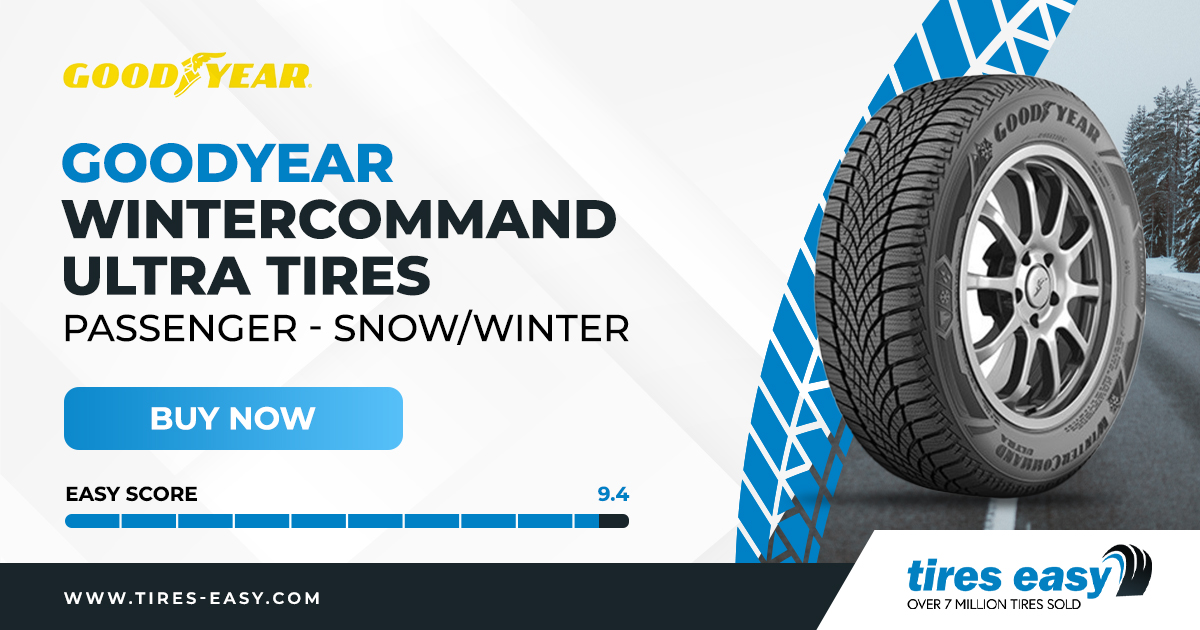
Goodyear WinterCommand Ultra
- Best for: Moderate snow, ice, and occasional dry road use.
- Features: Specialized tread compound for cold weather flexibility, directional tread pattern for snow traction.
- Pros: Reliable on ice and snowy roads, suitable on wet surfaces, and offers a comfortable ride.
- Cons: Snow performance is excellent, but not the best for intense snow.
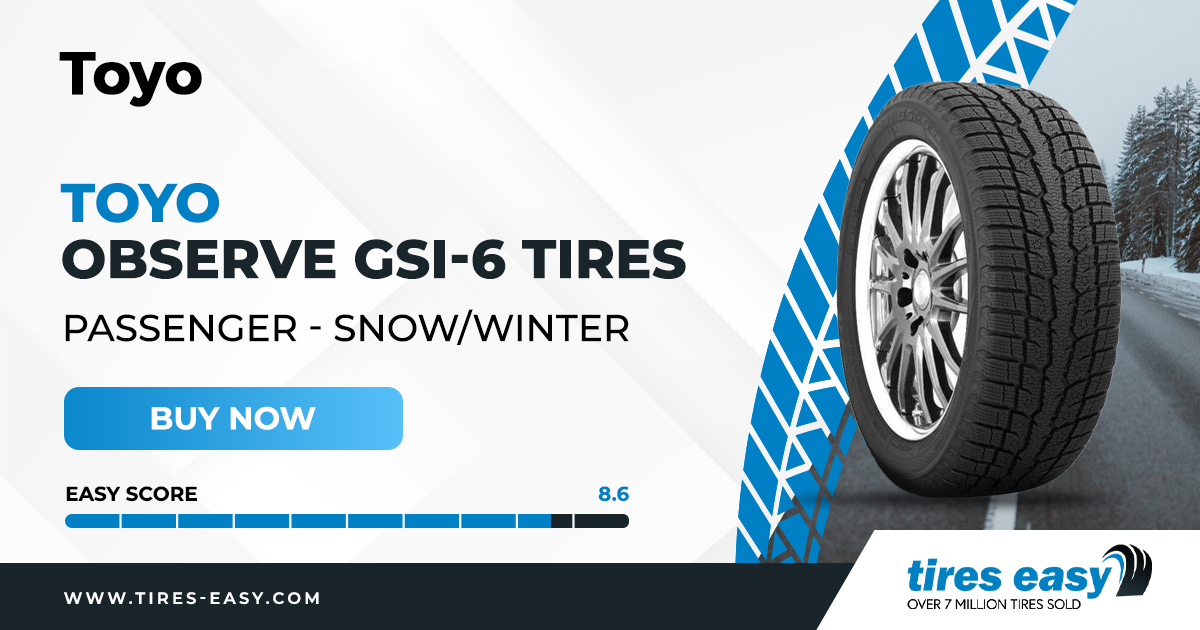
Toyo Observe GSi-6
- Best for: Heavy snow, ice, and slush.
- Features: Microbit technology with walnut shells combined with the V-shaped tread improves snow and ice traction.
- Pros: Very good in snow and slushy conditions, affordable price point, stable on wet roads.
- Cons: Road noise may be slightly higher than competitors.
Maintenance Tips For Winter Tires
Follow these simple maintenance steps to keep your winter tires in perfect condition.
1) Keep The Optimal Tire Pressure
Underinflated tires are dangerous because they will not perform as they should, leading to uneven wear and poor fuel economy. If your vehicle is not equipped with a TPMS (tire pressure monitoring system), you can adjust it manually using recommended values to avoid overinflation of the tires.
2) Rotate Your Tires
Rotation is one vital tire maintenance procedure. It helps ensure even wear across all four tires, improving performance and extending tire life. Since front and rear tires wear differently, rotating them prevents excessive wear in specific areas. The general rule is to rotate winter tires every 6,000 to 8,000 miles. Typically, winter tires follow a front-to-back or diagonal rotation pattern, depending on whether your car is front-wheel, rear-wheel, or all-wheel drive.
3) Do Not Overload The Tires
Winter tires are designed for specific load capacities. Exceeding that capacity can result in excessive tire wear, overheating, or even a blowout. Always check the load index rating on your winter tires and ensure your vehicle’s load doesn’t exceed the limit. If you happen to carry heavy loads, distribute the weight evenly across the vehicle to avoid putting excessive stress on one tire.
4) Drive Smoothly
Aggressive driving can wear the tires quickly, particularly with winter tires. Sudden stops and sharp turns can wear down your tires more quickly. Practice steady acceleration to minimize tire strain, especially when driving on slippery roads.
5) Store Tires Properly in the Off-Season
- Clean tires before storage to remove salt, dirt, and debris that cause deterioration.
- Store them in a cool, dry, and dark place away from direct sunlight, extreme temperatures, and ozone sources (like electric motors).
- Use tire storage bags or racks to protect them from moisture and deformation.
6) Inspect for Wear and Damage
- Check tread depth regularly. Replace if below 6/32”, as traction in snow and slush becomes unsafe.
- Look for cuts, cracks, or punctures on sidewalls and tread.
- Consider replacing tires older than 6 years, even if tread looks fine, as rubber compounds degrade over time.
Winter Tire Tread Depth And Safety Check
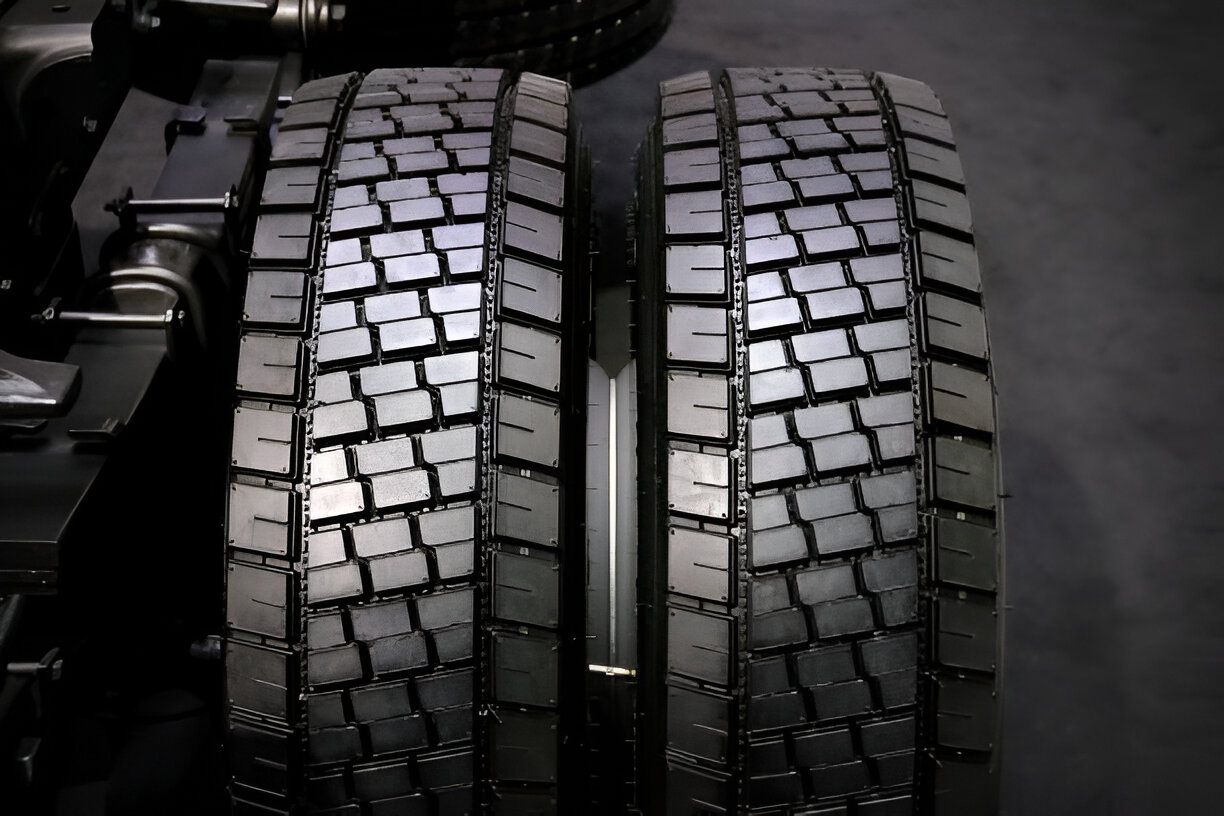
The winter tire tread block is one of the most defining aspects of this type of automotive tire. Its tread design, combined with deep grooves, channels water, snow, and slush, maintaining traction.
There are three main types of treads in winter tires – directional (V-shaped), symmetrical, and asymmetrical.
The directional is engineered to enhance traction in slushy and snowy conditions by efficiently channeling water and slush away from the tire’s contact patch.
The symmetrical tread patterns feature grooves and tread blocks mirrored across the tire’s surface, providing even wear and excellent traction on snowy roads. Symmetrical treads are often found on budget-friendly winter tires and offer a smooth, quiet ride.
Asymmetrical tread patterns combine different designs on the inner and outer edges of the tire. The inner side typically has more grooves to handle snow and slush, while the outer side has larger tread blocks for improved cornering and handling on icy roads. Asymmetrical tires are versatile and perform well in various winter conditions, making them ideal for drivers who encounter wet and snowy surfaces.
In terms of depth, modern winter tires usually have a tread depth of 10/32″ to 12/32″. Some models can have more, meaning they are more aggressive and capable. Tread depths around 4/32 inches (about 3 mm) are considered unsafe. Low tread depth means the tire features will not function properly and should be replaced.
The Environmental Impact of Winter Tires
Despite being an absolute necessity in so many areas around the globe during winter, winter tires can negatively affect the environment due to increased resource consumption, adding to the overall pollution. Though minimal, winter tires can also affect fuel consumption. To minimize the environmental impact, use them wisely, maintain them, and dispose of them properly.
Legal Regulations and Insurance Considerations For Winter Tires In the USA
While there are no federal laws requiring winter tires in the United States, many state and local jurisdictions have specific regulations around their use. Knowing these rules is critical to staying compliant and safe.
Studded Tire Restrictions
- Studded tires are legal year-round in states with severe climates like Alaska, Idaho, and Colorado.
- In states such as Oregon and Washington, they’re only permitted between certain seasonal dates.
- Other states restrict or ban studded tires entirely due to road surface damage.
Chain and Traction Laws
- Some highways, like mountain passes in California or high-altitude routes in Colorado, enforce traction laws. Drivers may be required to use chains, winter tires, or traction devices under certain weather conditions.
- Failing to comply can result in hefty fines and being turned away at checkpoints.
Winter Tire Standards and Symbols
- Look for the Three-Peak Mountain Snowflake (3PMSF) symbol. This certifies that a tire meets specific winter performance standards.
- The M+S (Mud and Snow) rating is common but less stringent; it doesn’t guarantee true winter performance.
Penalties and Safety Risks
- Violating tire and traction regulations can result in citations or fines, depending on the jurisdiction.
- Beyond legal consequences, using improper tires can increase accident risk, creating liability issues in the event of a crash.
Insurance Implications
- Equipping winter tires can demonstrate that you took reasonable safety precautions, which may help in accident claims.
- In regions where winter tires are required or recommended, failing to use them could negatively impact insurance outcomes. Some providers may even offer discounts for vehicles equipped with certified winter tires.
Always check your state DOT (Department of Transportation) and local regulations, as well as your insurance provider’s guidelines. Compliance not only keeps you legal, it protects you, your passengers, and other drivers on the road.
Brand and Price Comparison
Beyond the type of tire, brand choice impacts cost, performance, and satisfaction. Some brands offer budget-friendly options, while others deliver premium technology at a higher price.
- Bridgestone (Blizzak Series): Known for excellent traction and braking on snow/ice. Great balance of price and performance.
- Michelin (X-Ice, Pilot Alpin): Premium pricing, but long tread life and consistent winter performance.
- Continental (WinterContact, VikingContact): Strong grip and handling across varied winter road conditions.
- Nokian (Hakkapeliitta Series): Highly regarded for extreme winter performance, especially on ice.
Budget to Premium Spectrum:
- Budget-friendly: Adequate safety for drivers who want savings without sacrificing winter performance.
- Mid-range: Balanced choice for most drivers (good mix of price and performance).
- Premium: Higher upfront cost, but best for extreme conditions or drivers prioritizing maximum safety.
When comparing winter vs all-season tires, the long-term costs are closer than most drivers think. Winter tires:
- Deliver superior traction, braking, and stability in cold conditions.
- Often last multiple seasons if rotated and stored properly.
- Provide better value in accident prevention compared to the small difference in initial investment.
Choosing the right brand and model ensures you get the best winter tires for 2026 that match your budget, driving style, and climate. In short: winter tires are not just a cost, they’re a smart investment in safety and savings.
Economic Comparison: Long-Term Cost of Winter Tires vs. All-Season Tires
One of the biggest concerns for drivers is the cost difference between winter tires and standard all-season tires. A common misconception is that winter tires are much more expensive, but in reality, the average cost is almost identical when you factor in durability and safety.”
- Up-front costs: All-season tires often look cheaper initially, but their performance declines significantly in cold conditions. When you shop for tires online, you can find premium winter options like the Bridgestone Blizzak DM-V2 at competitive rates that provide far better protection.
- Longevity: Winter tires used seasonally (fall to spring only) often last longer because they aren’t worn down year-round like all-seasons.
- Value in safety: Choosing affordable tires that are purpose-built for ice and snow can reduce braking distances by up to 30%. The long-term savings in accident prevention and liability far outweigh the small price difference in initial investment.
- Regional needs: In mild climates, all-seasons or all-weather tires may suffice. But in regions with severe winters, the long-term investment in winter tires pays for itself in safety, stability, and peace of mind.
Winter Tires and EV Efficiency
The rise of electric vehicles (EVs) has significantly impacted the tire industry, with manufacturers needing to design winter tires tailored to EVs’ specific requirements, specifically for them. The trend has recently influenced the winter tire segment. Unlike traditional vehicles, EVs deliver power differently and are heavier in weight, which can pose serious risks in slippery conditions. Ideally, EV winter tires must provide all the benefits they already do (maintain grip, handle the enormous weight of the modern battery-powered models, remain stable in all conditions, and keep the brake distances short), plus low rolling resistance. It’s a tall order, but one company has successfully managed to produce competent EV winter tires, which is the Nokian brand Hakkapeliita RV 5 EV tire.
Where To Buy Winter Tires And When?
You can purchase winter tires from a variety of sources, like local retailers, tire shops, or online, but prices, availability, and convenience can vary widely.
Buying Options
- Online retailers: Platforms like Tires Easy or Giga Tires often provide the best prices, fast shipping, and convenient delivery directly to your local shop for mounting and balancing. This option also saves you the hassle of disposal since many programs handle old tire recycling.
- Local shops: Good for hands-on inspection and advice, but may have limited inventory and higher seasonal prices.
- Big-box retailers & dealerships: Often provide packages with installation included, but may not always have the widest selection.
Best Times to Buy:
- Summer: The lowest prices, best discounts, and widest availability.
- Fall: New models are introduced and shops are fully stocked, making this a great time before the winter rush.
- Winter (last minute): Possible if conditions surprise you, but expect longer wait times for installation and higher prices due to demand.
When to Use Winter Tires
Knowing when to switch is just as important as knowing where to buy:
- Temperature threshold: Install winter tires when daily temperatures consistently drop below 45°F (7°C), regardless of whether it’s snowing.
- Seasonal changeover: In most U.S. regions with harsh winters, this means mounting in late fall and switching back to regular tires in spring.
- Snowbelt or mountain driving: If you live in areas with heavy snowfall or regularly drive in the mountains, winter tires are essential for traction and safety.
- Travel to snowy regions: Even if you don’t live in a winter-heavy state, snow tires are critical if you’re driving into areas with icy or snowy roads.
Winter tires are not just a purchase; they’re a seasonal investment in safety, performance, and peace of mind. Buying them at the right time and installing them before the first freeze ensures you avoid long shop lines and keep control when you need it most.
How to Store Winter Tires Properly?
Storage of winter tires during summer is one of the less covered topics, which is very important since improper storage can damage your tires and make them unusable. Fortunately, you should know a few simple but crucial things about it.
You can store your winter tires with or without the wheels. There is no right or wrong way. But this decision will affect the way the tires are kept. When the winter tires are mounted on the rims, you should stack them horizontally since it will minimize the pressure on the rubber. However, when the tires are stored without the wheels, they will require more attention to prevent deformation during storage. Do not hang them; this can distort the shape, and store them vertically upright.
For unmounted tires, be cautious of prolonged pressure on one area, which can lead to flat spots or distortion. This is why storing them upright is preferred, as it distributes the weight evenly. Remember to rotate the tires periodically (every month or two) to prevent them from developing flat spots.
Tires should be stored in a cool, dry, and clean environment. Avoid places where temperatures fluctuate wildly, like garages exposed to extreme heat, cold, or areas with high humidity. The ideal location would be a basement or climate-controlled storage unit. You should avoid direct sunlight or outdoor storage since UV rays can break down the rubber compounds in tires, and outdoor storage exposes tires to harmful elements like rain, humidity, and temperature changes.
Conclusion
Winter tires are more than just a seasonal accessory, they’re a critical safety investment. By offering superior traction, shorter braking distances, and better handling in temperatures below 45°F (7°C), they make the difference between control and collision on snowy or icy roads.
The long-term cost of winter tires is comparable to all-season tires, but the value in accident prevention, confidence, and peace of mind is far greater. Whether you choose studless, studded, or performance winter tires, the right set, properly installed and maintained, ensures your vehicle is ready for whatever winter throws your way.
To stay safe and compliant:
- Choose the tire type that matches your climate, driving habits, and budget.
- Install and maintain them correctly, with proper pressure, rotation, and storage.
- Follow state traction laws and insurance guidelines for added protection.
Winter safety begins with preparation, and winter tires are at the center of that preparation. Make the switch before the first snow falls, and drive with confidence all season long.
FAQ
• Do Winter Tires Make a Difference?
Yes! Winter tires significantly improve traction, handling, and braking performance on snowy and icy roads. Studies show that vehicles equipped with winter tires have reduced stopping distances and better control in winter conditions than all-season or summer tires.
• At What Temperature Should I Switch to Winter Tires?
Winter tires are most effective at temperatures below 45°F (7°C). Once temperatures regularly dip below this threshold, it’s time to switch. The soft rubber compound in winter tires provides a better grip in the cold but can wear quickly in warmer weather.
• Can I Use Winter Tires All Year?
It’s not recommended, and it could be dangerous. Winter tires are designed for cold weather and lose durability and effectiveness in warm temperatures. Using them in warm conditions leads to faster wear and reduced performance. It’s best to switch back to all-season or summer tires in the spring.
• Are Studded Winter Tires Better Than Non-Studded Ones?
Studded tires offer enhanced grip on ice due to metal studs embedded in the tread, making them ideal for icy conditions. However, they can damage dry pavement and are often restricted to certain seasons or locations. Non-studded winter tires use advanced tread designs to offer effective performance in snow and ice and are usually legal year-round.
• How Long Do Winter Tires Last?
The average lifespan of winter tires is 3-4 winter seasons, depending on usage and conditions, or approximately 20,000-25,000 miles. Regularly rotating, inspecting, and storing them properly during the off-season can extend their lifespan.
• Do I Need Winter Tires If I Have All-Wheel Drive (AWD)?
While AWD helps with acceleration, winter tires enhance braking and cornering on snowy and icy roads. AWD alone doesn’t offer the same level of control that winter tires provide in winter conditions, so winter tires are still recommended for improved safety.
• Can I Use Only Two Winter Tires Instead of Four?
It’s generally not advisable. Using only two winter tires can create an imbalance, leading to uneven handling, braking, and cornering. Winter tires should be installed on all four wheels for best performance and safety.