



Last Updated on September 28, 2025
Studded vs Non-Studded Winter Tires: Which Should You Choose?
Studded tires deliver unmatched grip on icy roads, while studless tires provide quiet, versatile winter performance that’s legal in all states.
In short: If your winters bring weeks of solid ice, studded tires may be worth it. If you face mixed conditions with plowed roads and occasional ice, studless tires are the smarter choice.
How Winter Tires Work
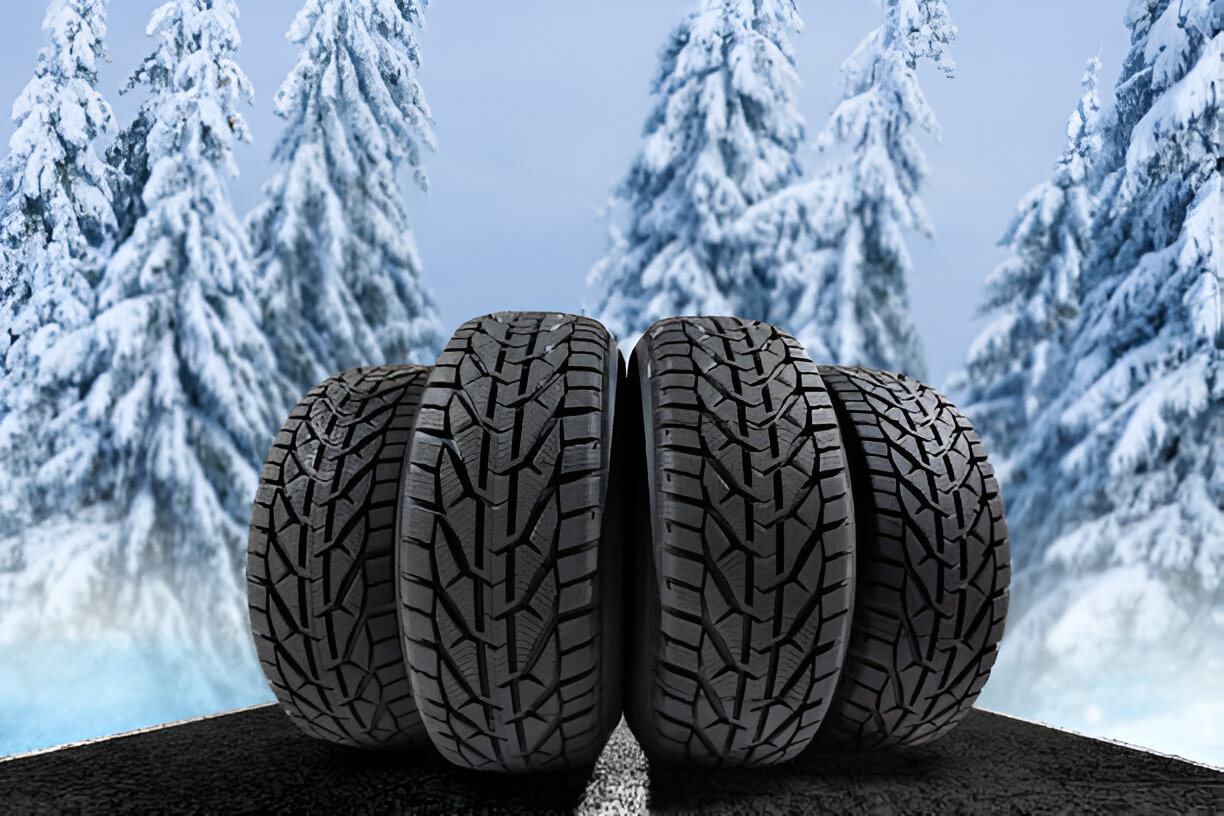
Winter tires are designed to remain flexible in cold temperatures, providing better control on snow and ice.
Unlike all-season tires that harden and lose grip when the mercury drops, winter tires use special rubber compounds that stay soft in freezing conditions. They also have deep tread grooves and thousands of tiny sipes, slits that act like biting edges, to improve traction on snow and ice. This combination helps shorten stopping distances, improve acceleration, and maintain stability on slippery winter roads.
For maximum performance, winter tires should be used only during the cold months and swapped for all-season or summer tires in warmer weather.
What Are Studded Winter Tires?
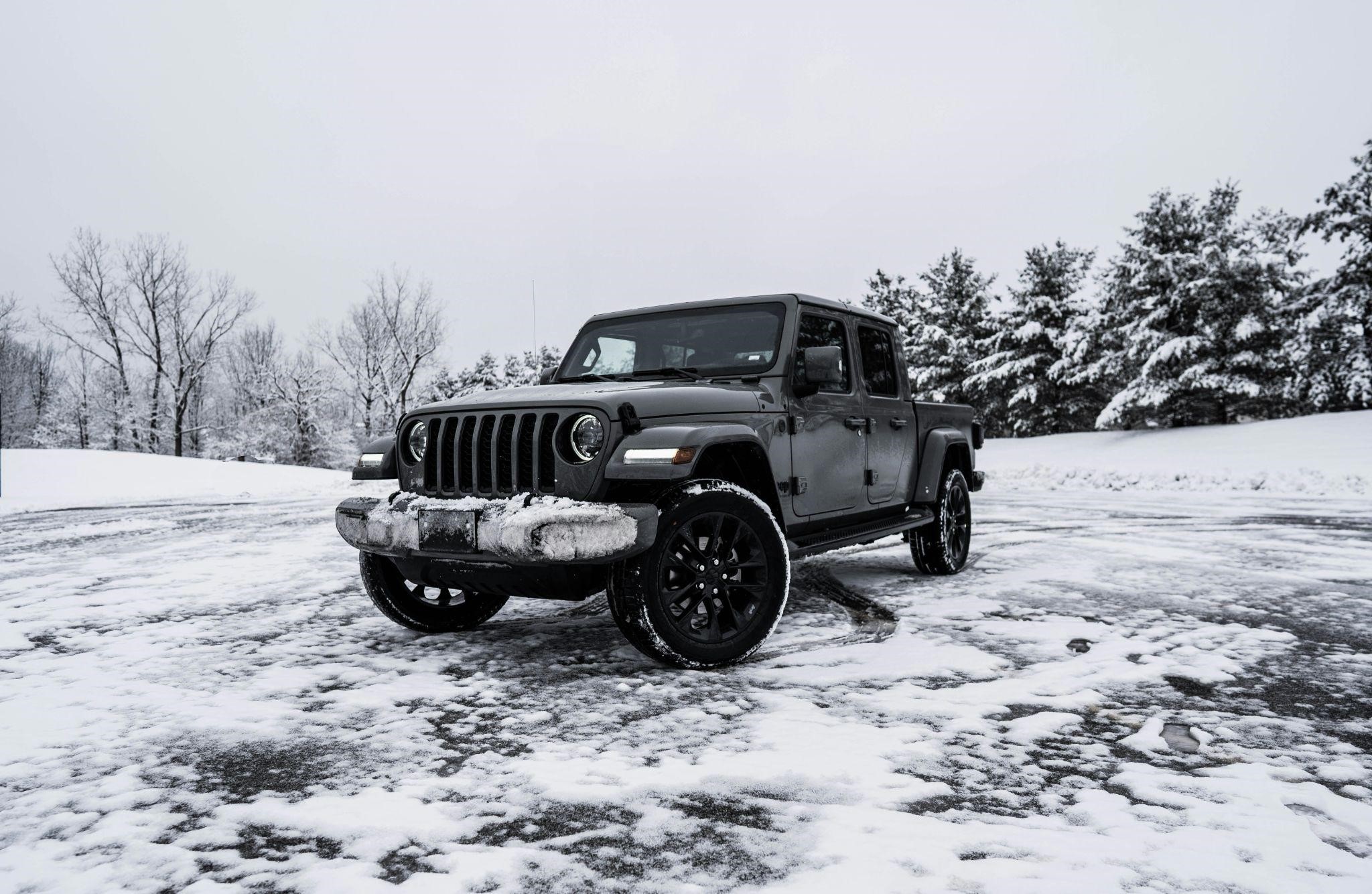
Studded tires utilize small metal pins in the tread to grip ice and enhance traction on frozen roads.
These metal studs act like cleats, digging into glare ice or hard-packed snow where rubber alone might slip. They’re most effective in areas with persistent ice, such as rural mountain roads or untreated backroads.
Legality: Many U.S. states restrict or ban studded tires to prevent road damage. Some allow them only during specific winter months, while others prohibit them year-round. Always check winter tire laws by state or review U.S. DOT studded tire regulations before buying.
Benefits of Studded Tires
- Maximum ice traction: Best choice for glare ice and frozen roads — confirmed in FHWA winter traction research.
- Confident hill climbs: Studs claw into icy inclines.
- Proven for extreme conditions: Long history of use in severe climates.
Drawbacks of Studded Tires
- Legal limits: Restricted or banned in many states.
- Noisy ride: Audible clicking or humming on clear pavement.
- Pavement wear: Can damage roads and shorten tire life on dry surfaces.
- Poor dry/wet grip: Less rubber contact means longer stops on bare asphalt.
Popular Studded Models: Nokian Hakkapeliitta 9 • Toyo Observe G3-Ice
What Are Studless Winter Tires?
Studless tires rely on advanced tread patterns and rubber compounds to grip snow and ice without using metal studs.
Modern studless tires use flexible silica-rich rubber, deep tread channels, and hundreds of multi-angle sipes to maintain traction in cold weather. Some also include microscopic grip particles or special water-absorbing materials to improve ice performance.
They’re ideal for mixed winter conditions, snow one day, dry cold roads the next, and are legal in every state.
Benefits of Studless Tires
- Excellent all-around grip: Strong on snow, slush, and most ice.
- Quiet, comfortable ride: No stud noise.
- Legal everywhere: No seasonal restrictions.
- Better dry/wet handling: More consistent braking on cleared roads.
Drawbacks of Studless Tires
- Slight ice performance gap: Top studs still win on glare ice.
- Tread-dependent: Performance drops as tread wears below ~5/32″.
- Not for extreme wilderness: May not match studs for frozen off-road use.
Popular Studless Models: Bridgestone Blizzak WS90 • Michelin X-Ice Snow • Nokian Hakkapeliitta R5
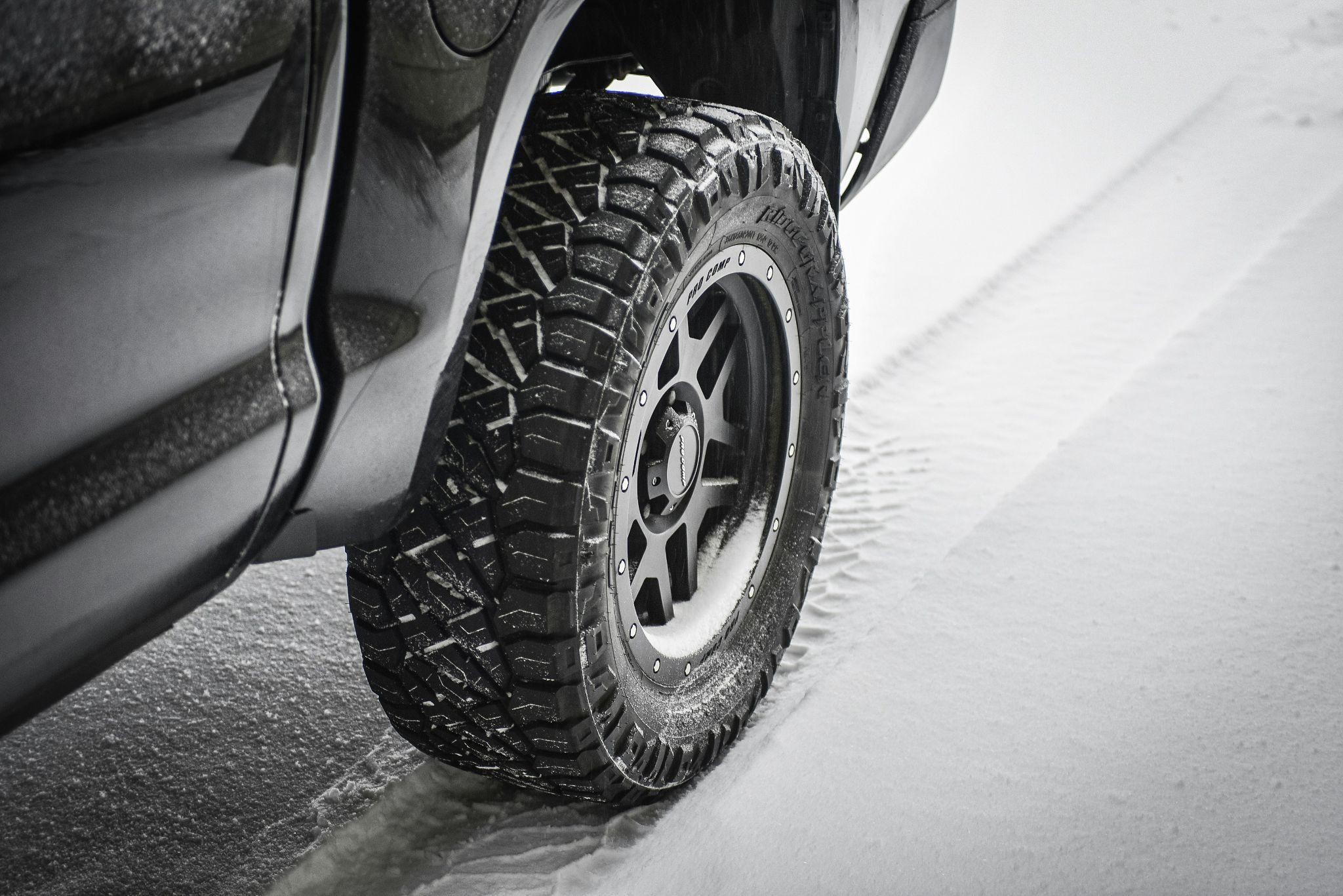
Studded vs Studless: Side-by-Side Comparison
Performance comparisons are based on manufacturer data and independent winter tire tests conducted in snow and ice conditions.
| Feature | Studded Tires | Studless Tires |
| Ice traction | Excellent – metal studs bite into frozen surfaces | Very good – advanced rubber & sipes provide strong grip |
| Snow traction | Excellent on packed snow | Excellent on fresh or deep snow |
| Dry/wet performance | Fair – reduced rubber contact | Good – full tread contact improves handling |
| Noise | Loud | Quiet |
| Road wear | High | Low |
| Legality | Restricted in many states | Legal everywhere |
Watch: Studded vs Studless Winter Tire Test
See how studded and studless winter tires perform in real-world snow and ice testing.
Which Should You Choose?
The right choice depends on your roads, climate, and travel habits.
- Mostly icy rural roads: Studded tires, if legal in your state.
- Mixed conditions and plowed roads: Studless tires for better versatility.
- Frequent interstate travel: Studless avoids legal restrictions.
- Urban winters: Studless for quieter rides and better dry-road handling.
Buying Winter Tires Online
Shopping for winter tires online gives you more choice, better pricing, and no in-store pressure. Search by size, vehicle, or brand, compare studded vs studless options, and have them shipped to your home or a local installer.
Top brands like Nokian, Toyo, Goodyear, Bridgestone, Continental, Falken, and Michelin all offer studded and studless models. For studded grip, try Nokian Hakkapeliitta 9 or Toyo Observe G3-Ice. For studless versatility, look at Bridgestone Blizzak WS90 or Michelin X-Ice Snow.
Shop winter tires online now to secure your set before the first snow.
Final Thoughts
Studded tires still lead for maximum ice traction, but studless tires offer broader versatility, quieter comfort, and universal legality. Both are a huge upgrade from all-season tires when winter hits. Choosing the right set will give you more control, shorter stopping distances, and peace of mind in cold-weather driving.
FAQ
Are studded tires better than snow tires?
Studded tires are a type of snow tire with metal pins for extra ice grip.
Do studless winter tires work on ice?
Yes. Premium studless tires like the Michelin X-Ice Snow and Bridgestone Blizzak WS90 perform well on ice, though studs hold a small edge on glare ice.
When should I put on winter tires?
Install them when temperatures consistently drop below 45°F, not just after the first snowfall.